Removing hair from a vacuum brush roll
The brush must be safely stopped before cutting or removal. A removable roll is not automatically washable.
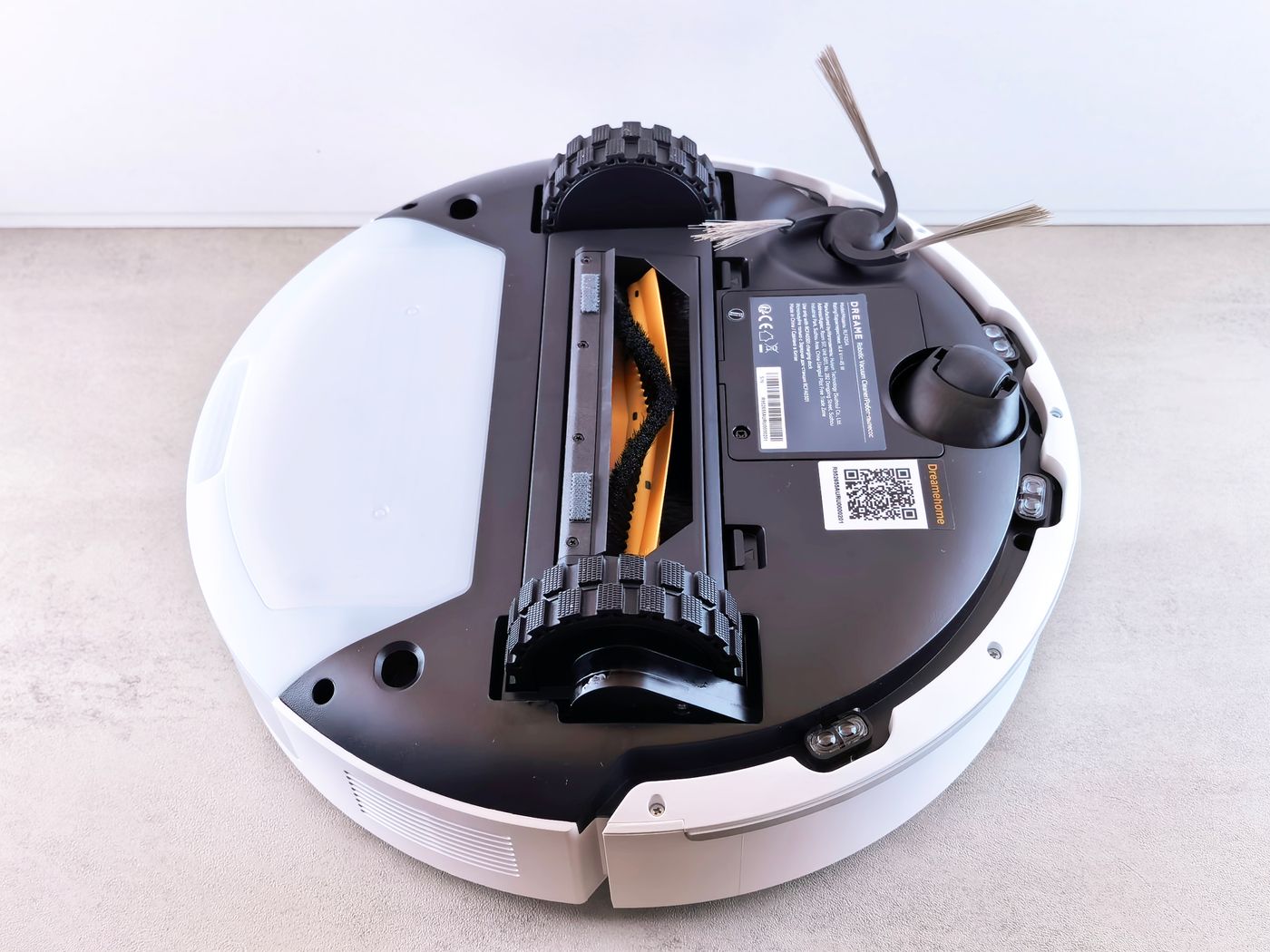
Hair and threads can wrap around a brush roll until its bristles barely work freely. Material often accumulates at the ends around the supports as well. A clean-looking middle does not prove the entire assembly is clear.
Switch off and disconnect the vacuum as directed. With a cordless machine, reliably prevent an accidental start. Never touch a moving brush or try to pull out a thread while its motor is running.
Use the intended access
Check whether the roll is designed for user removal. Some heads have a clearly marked release, while others open differently. Do not pry with a tool unless the instructions specify it. Photograph the arrangement if necessary so that end caps and covers return to their correct positions.
Remove loose hair by hand or with the supplied maintenance tool first. If a cutting channel or approved cutting method is provided, follow it. Do not cut blindly among bristles, seals or flexible fins. Damaged material can affect both the floor and cleaning performance.
Inspect the ends for tight windings. Do not dismantle components beyond the user-maintenance instructions. If a roll remains blocked after hair is removed, or a support appears damaged, an appropriate replacement or service assessment is preferable to applying more force.
Dry cleaning or washing?
Removability does not establish water resistance. Some soft rolls may be washed as instructed, while motorised heads and other brushes must remain dry. Check each part separately. Electrical contacts and drive assemblies must not become wet indiscriminately.
Allow washed parts to dry completely according to the manufacturer before refitting. Replace end caps correctly and close the release fully. An unsecured cover can come loose during use.
Test the head briefly on a suitable surface afterwards. Listen for unusual noise and check free operation. If blockage continues, inspect the documented airflow path rather than repeatedly removing hair alone. In homes with long hair or frequent loose threads, a short regular inspection can prevent a small winding becoming a dense layer.