 Lighting & everyday routines
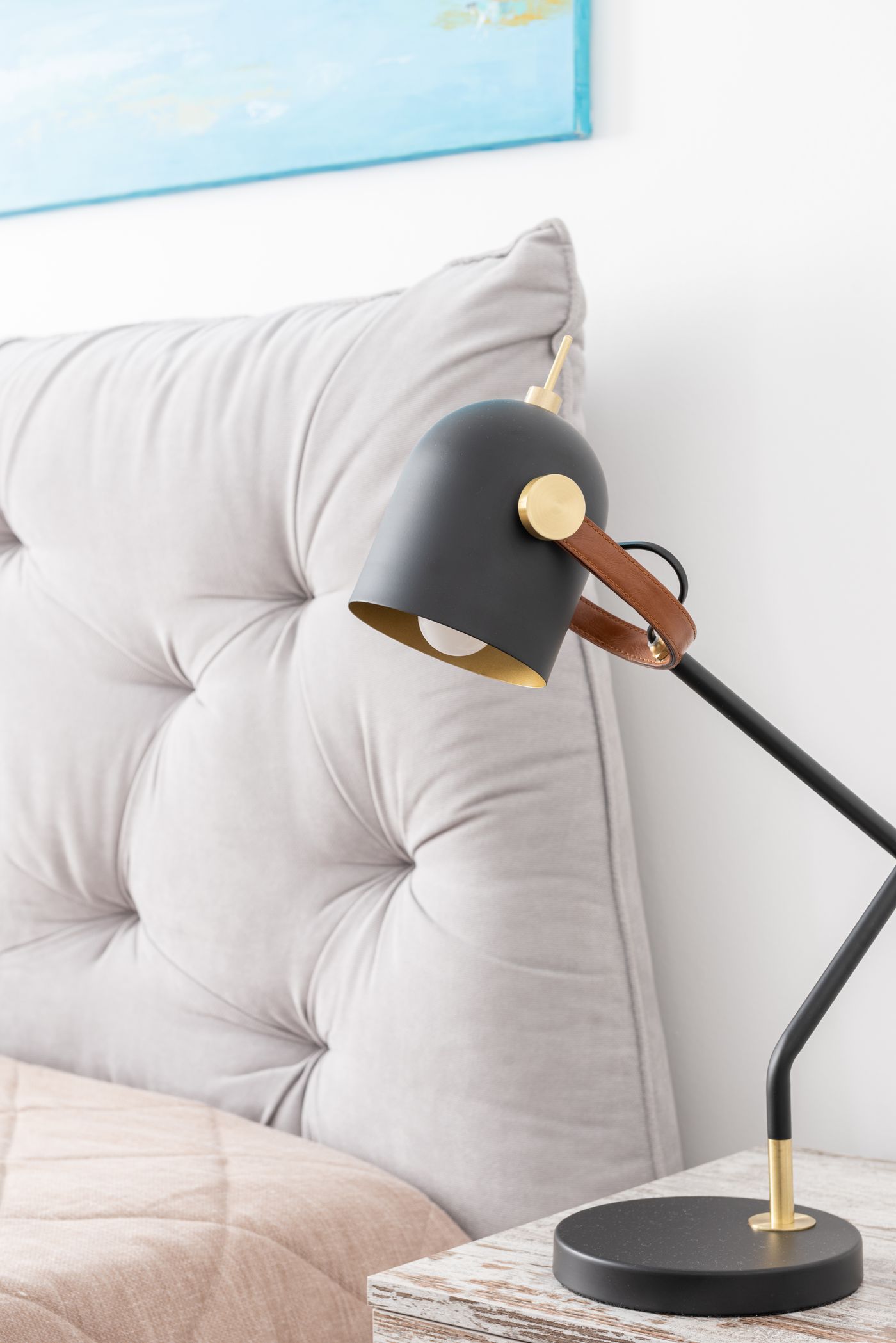
Choosing a bedside reading lamp
The useful detail is not the size of the lamp, but where its beam falls and whether you can reach the controls from bed.
Choose lamps around rooms and activities, direct the beam and plan everyday controls.
Lighting & everyday routinesThe useful detail is not the size of the lamp, but where its beam falls and whether you can reach the controls from bed.
 Lighting & everyday routines
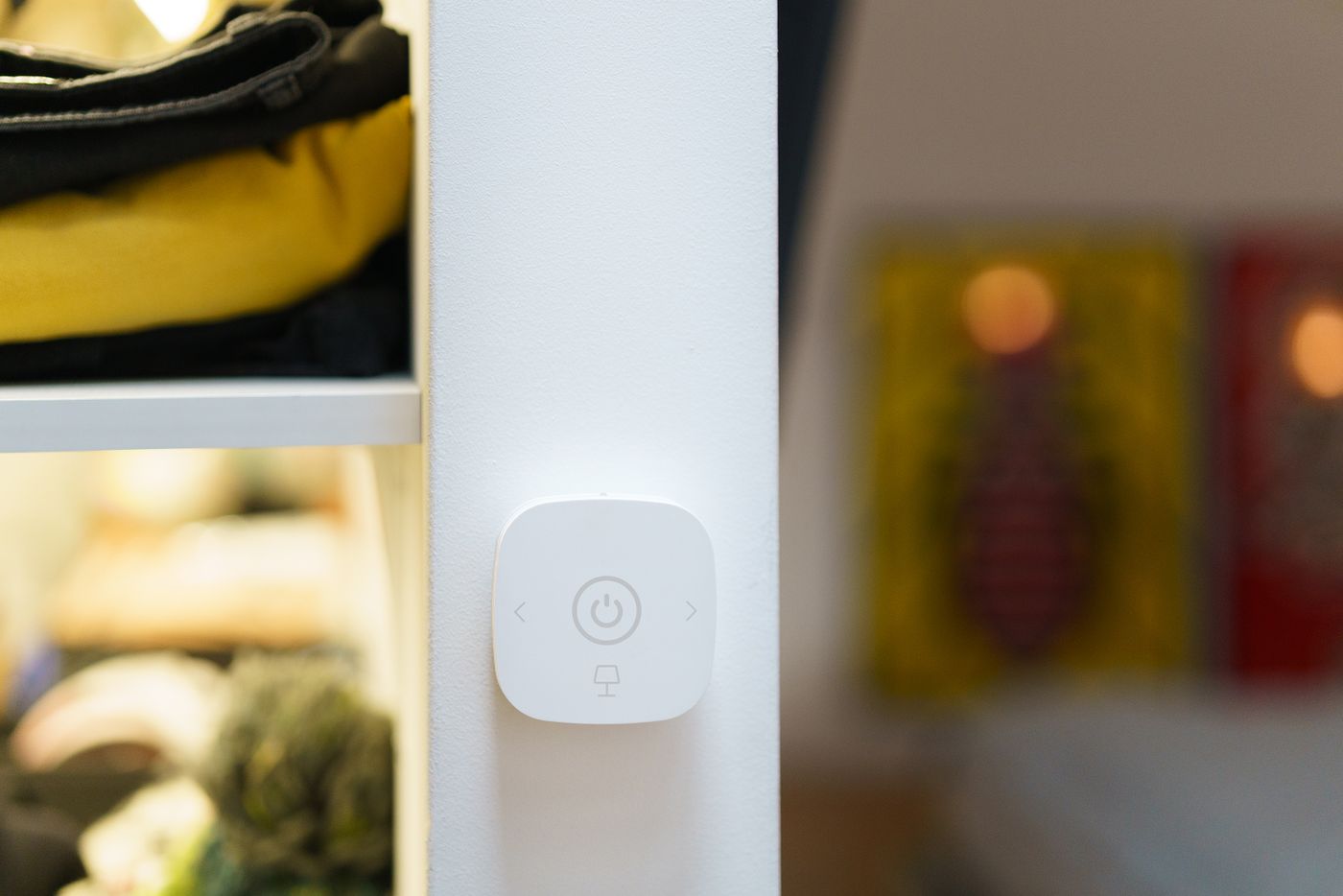
A smart bulb needs electricity even when its light is off. Start by deciding how people will control it without a phone.
 Lighting & everyday routines
A bright work surface and a readable display do not necessarily need light from the same direction.
 Lighting & everyday routines
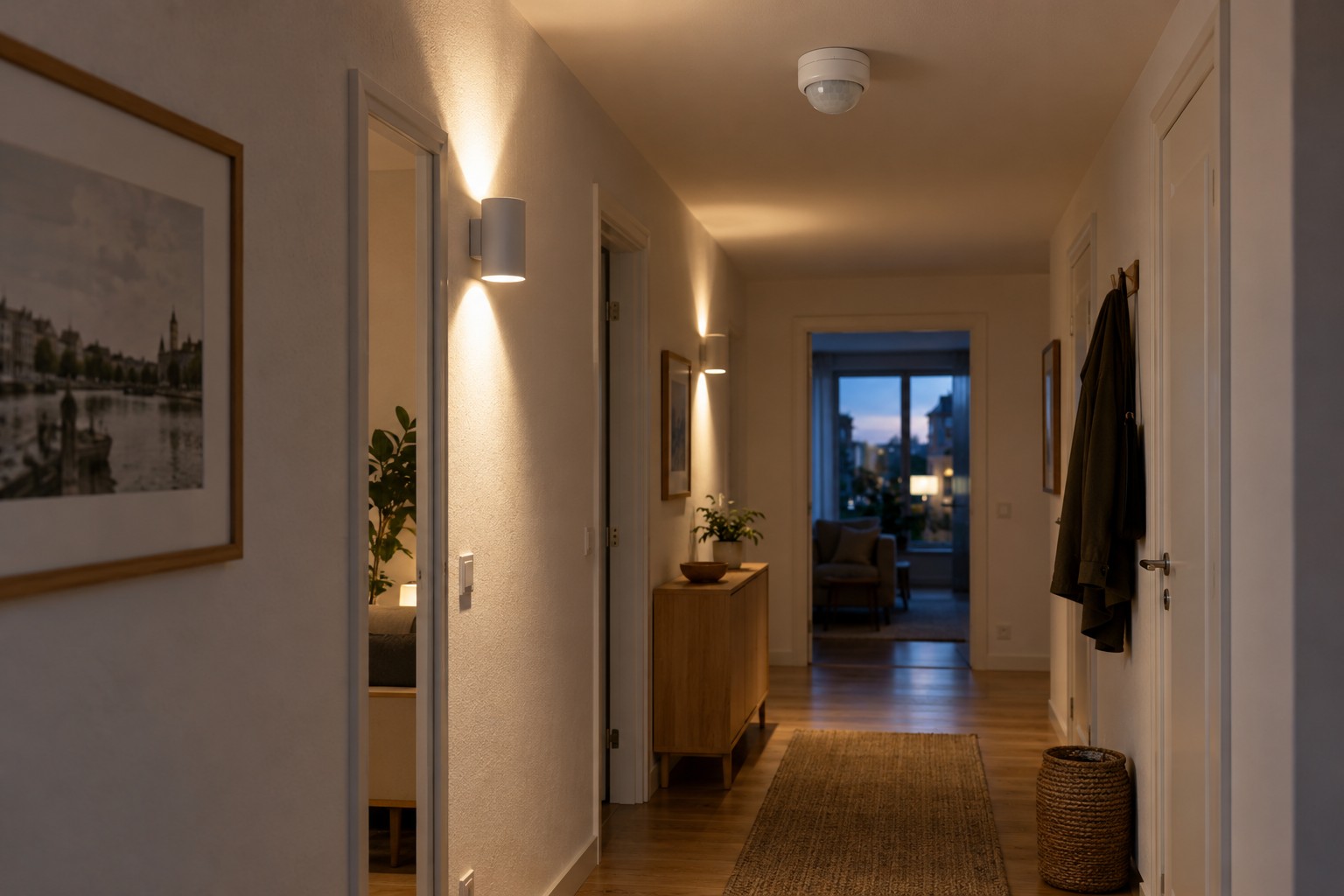
Match detection, daylight threshold and switch-off delay to the routes people actually take through the hall.
 Lighting & everyday routines
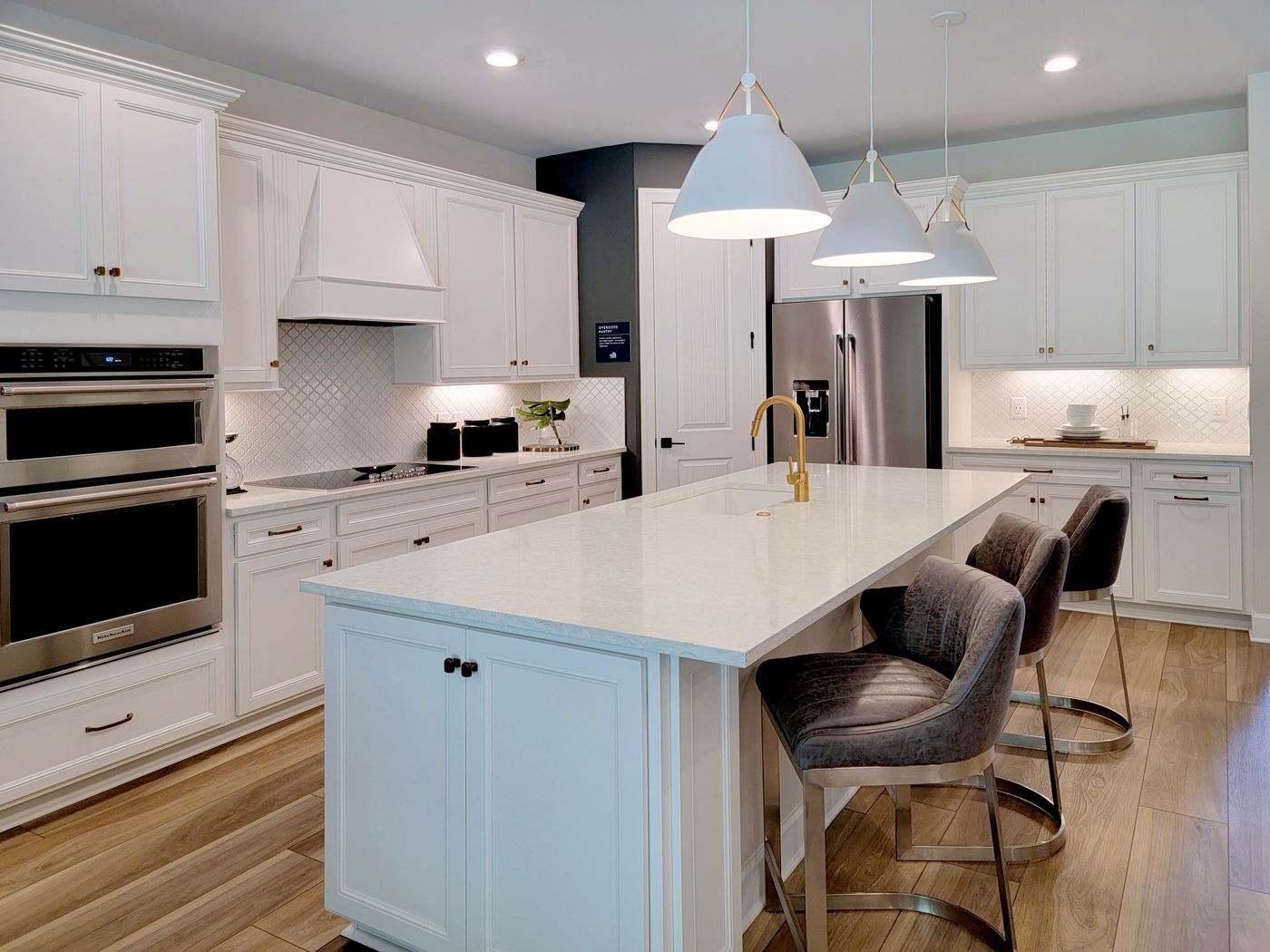
A ceiling light does not automatically illuminate a chopping board. Your position between the fitting and the worktop changes the result.
 Lighting & everyday routines
Measure the route to the power supply as well as the shelf width, and check whether the individual light points will be visible.
 Lighting & everyday routines
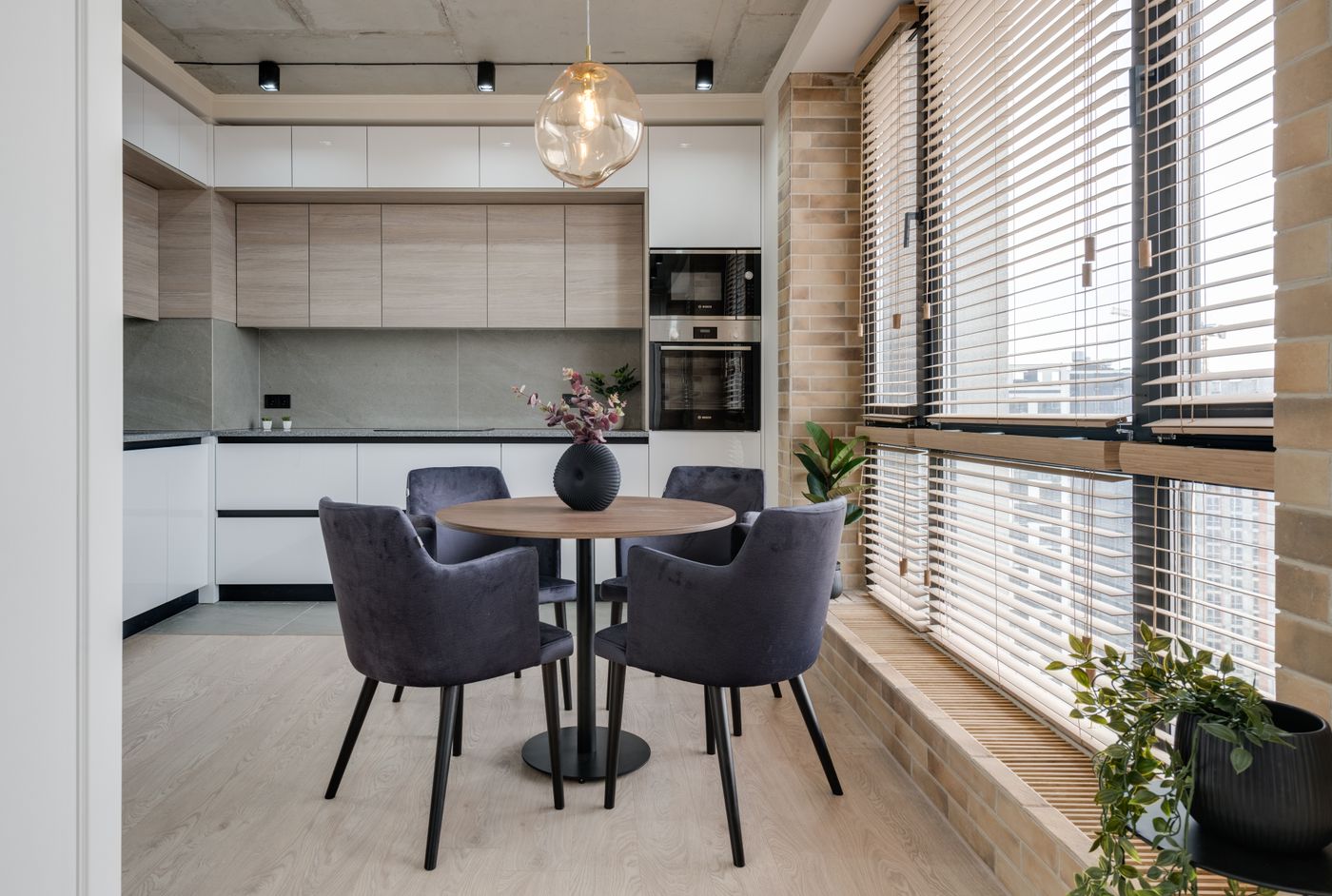
Table shape, seating positions and an extension leaf matter more than a universal hanging-height rule.
 Lighting & everyday routines
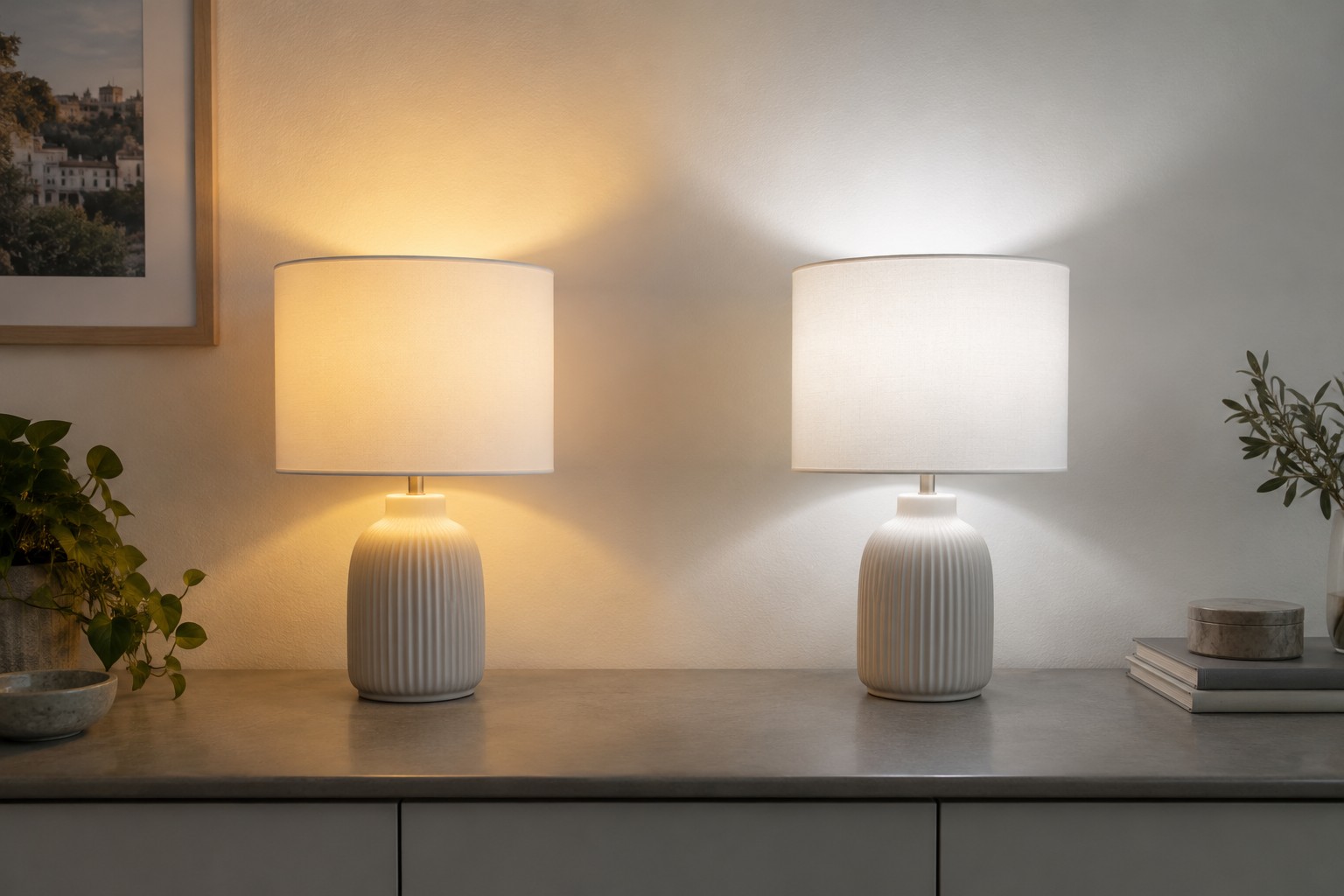
Kelvin describes a light's colour appearance. It does not tell you how bright the lamp is or whether it suits every room.
 Lighting & everyday routines
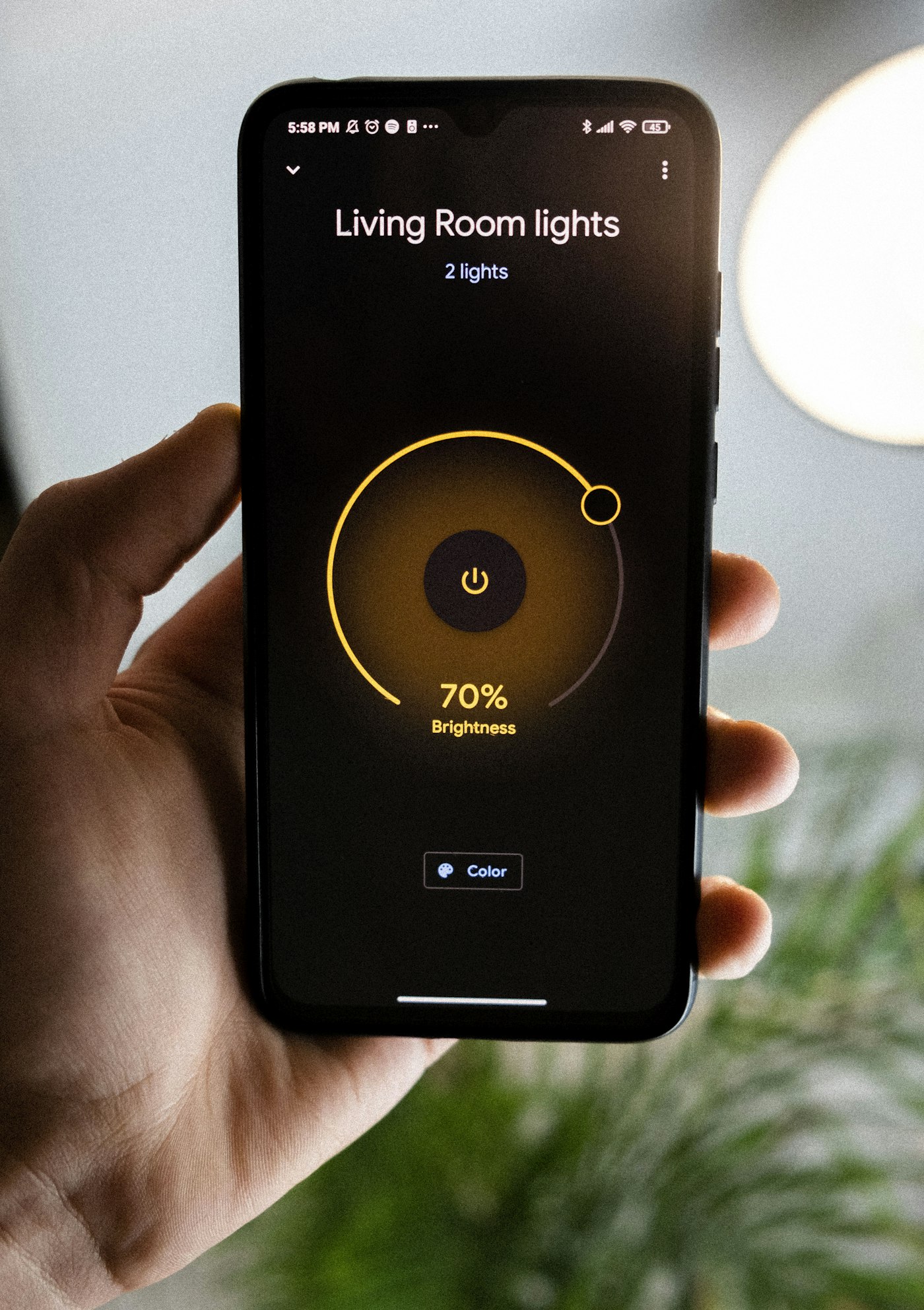
Flicker does not always mean a failed LED. The bulb, driver and dimmer need to be assessed as a combination.
 Lighting & everyday routines
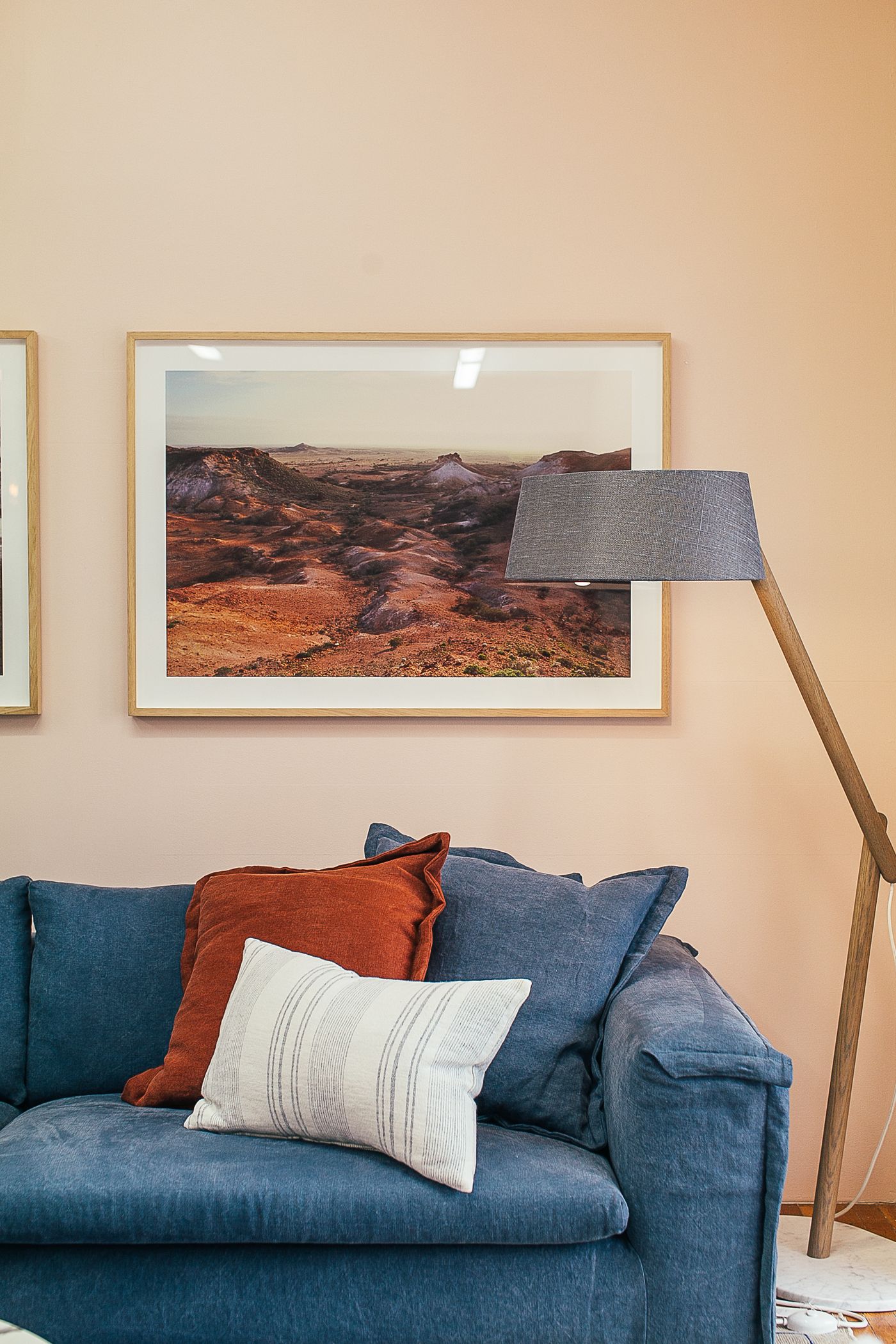
Check the light, footprint and controls from the sofa before committing to a position.
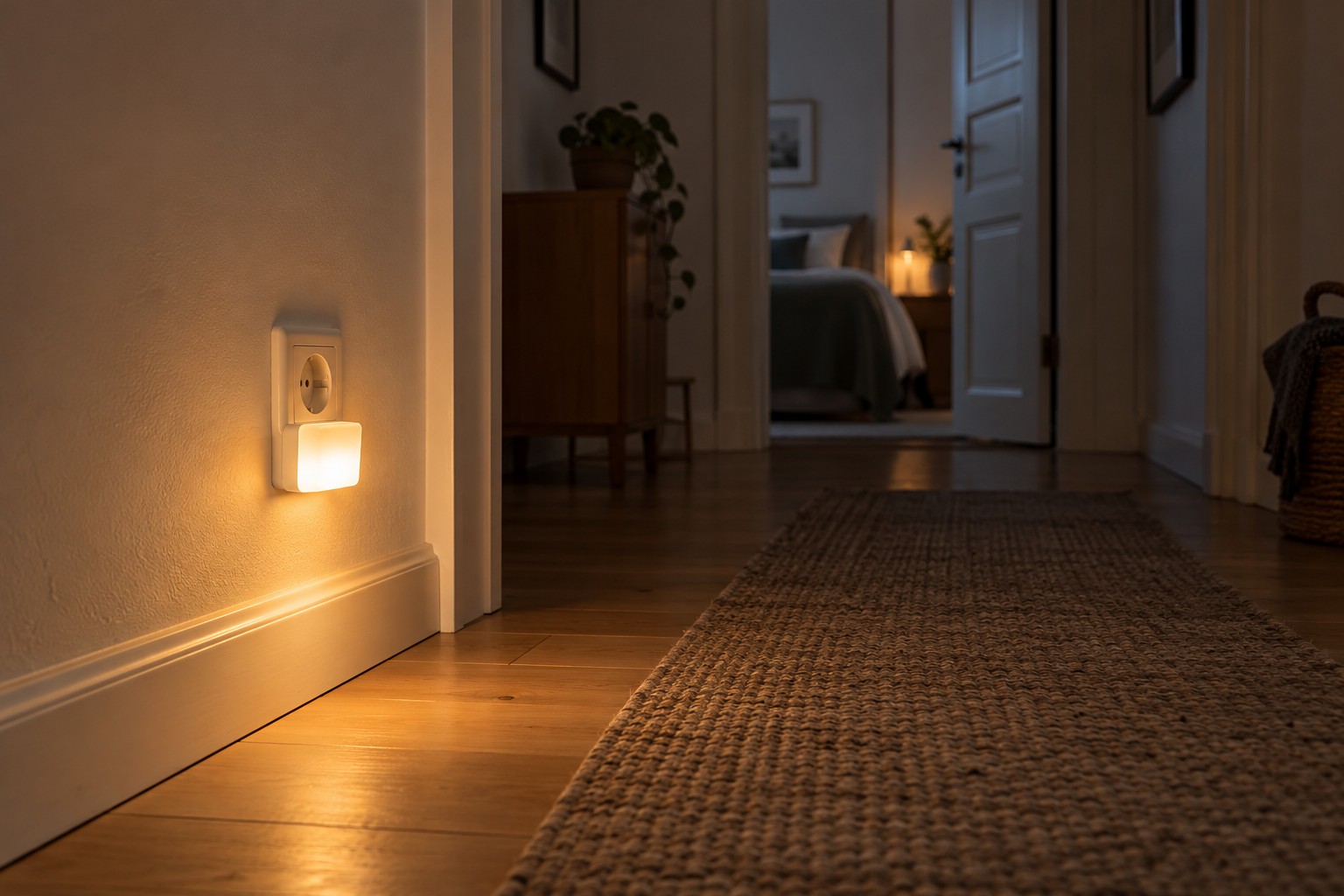 Lighting & everyday routines
A night light should reveal a particular route, not automatically illuminate the entire bedroom.
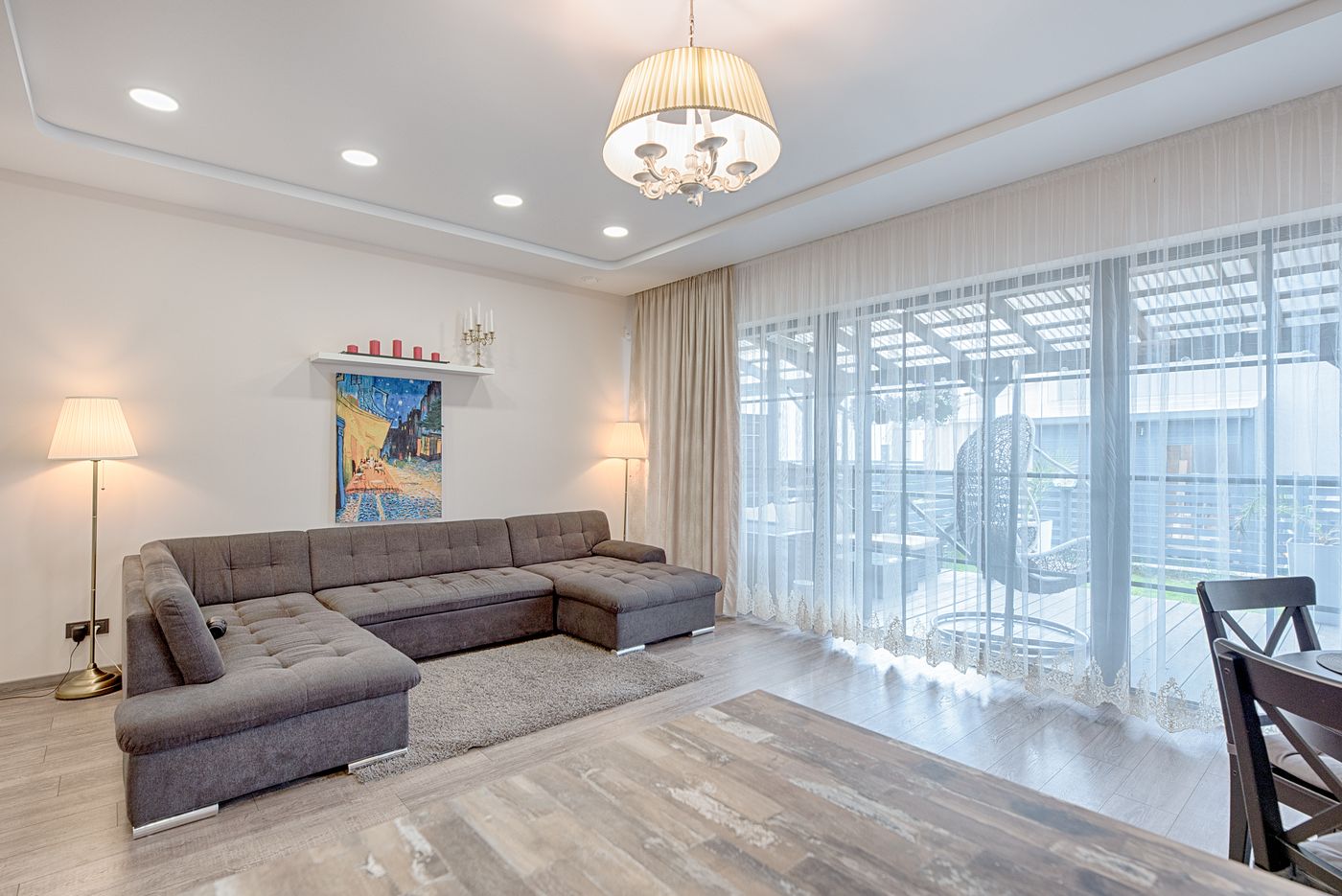 Lighting & everyday routines
A group should represent an understandable shared action, rather than a collection of technical device names.
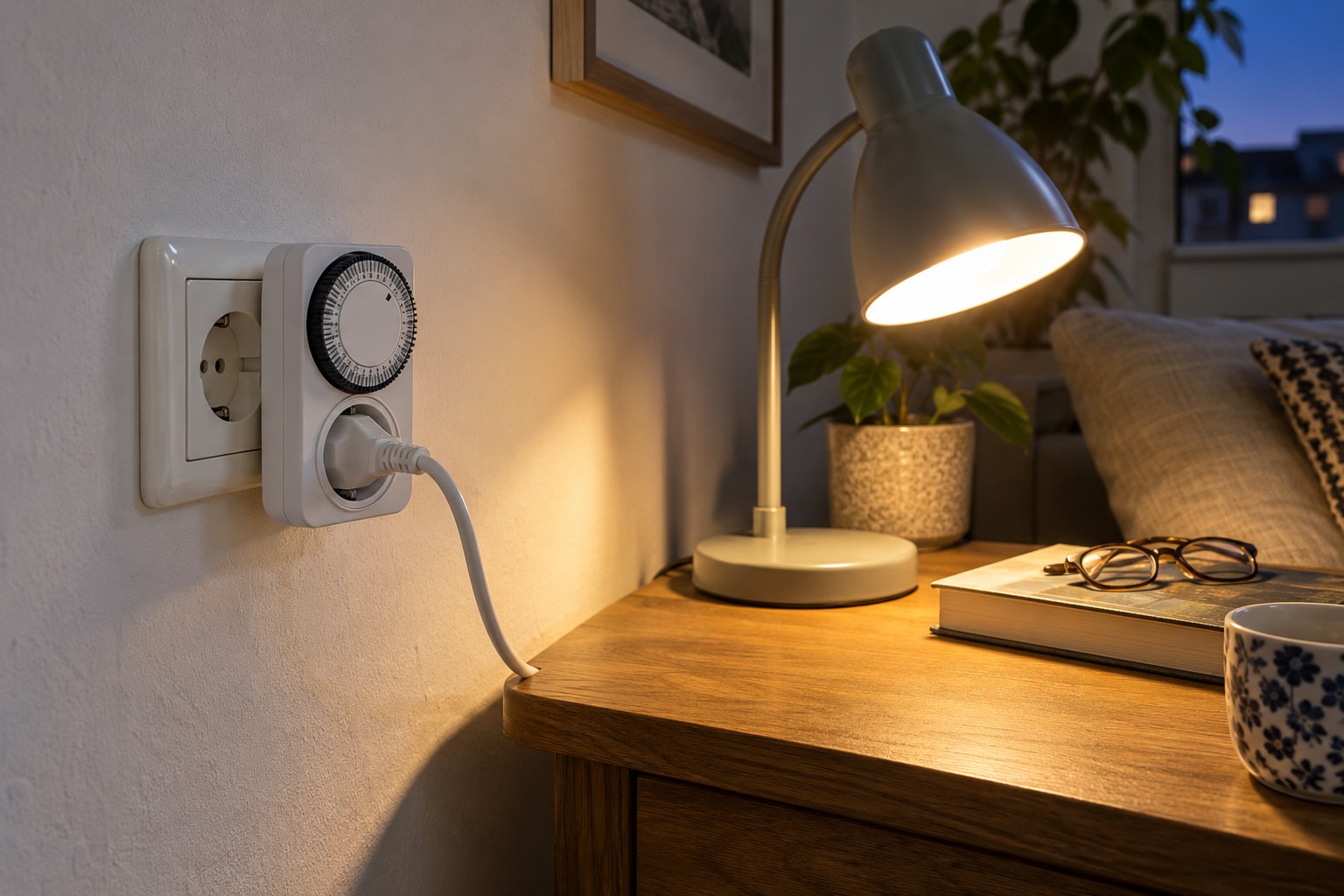 Lighting & everyday routines
A reliable schedule starts with a clear purpose and a test that includes switching off as well as on.
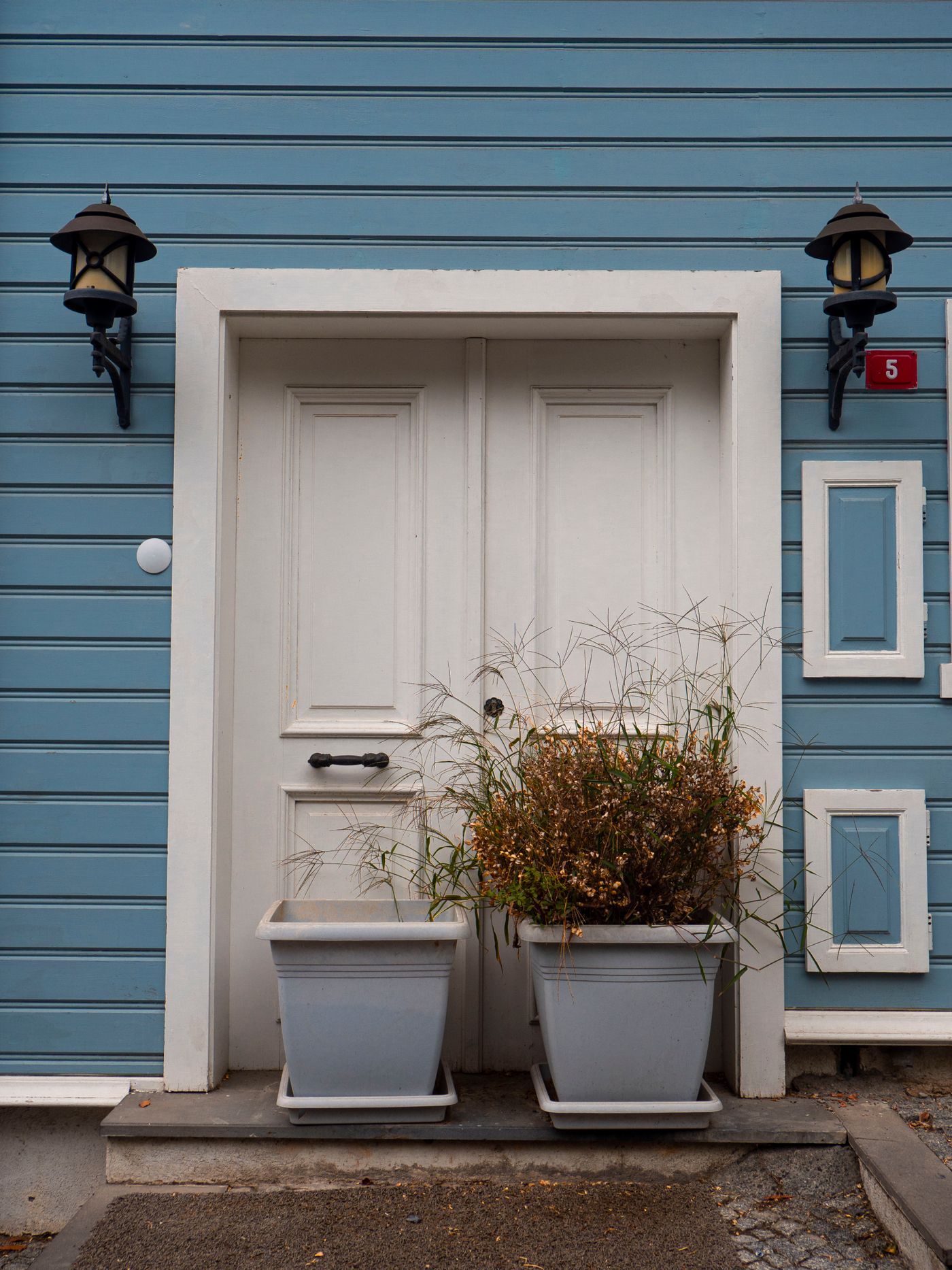 Lighting & everyday routines
A sheltered wall, an exposed garden path and a low-level installation create different requirements.
 Lighting & everyday routines
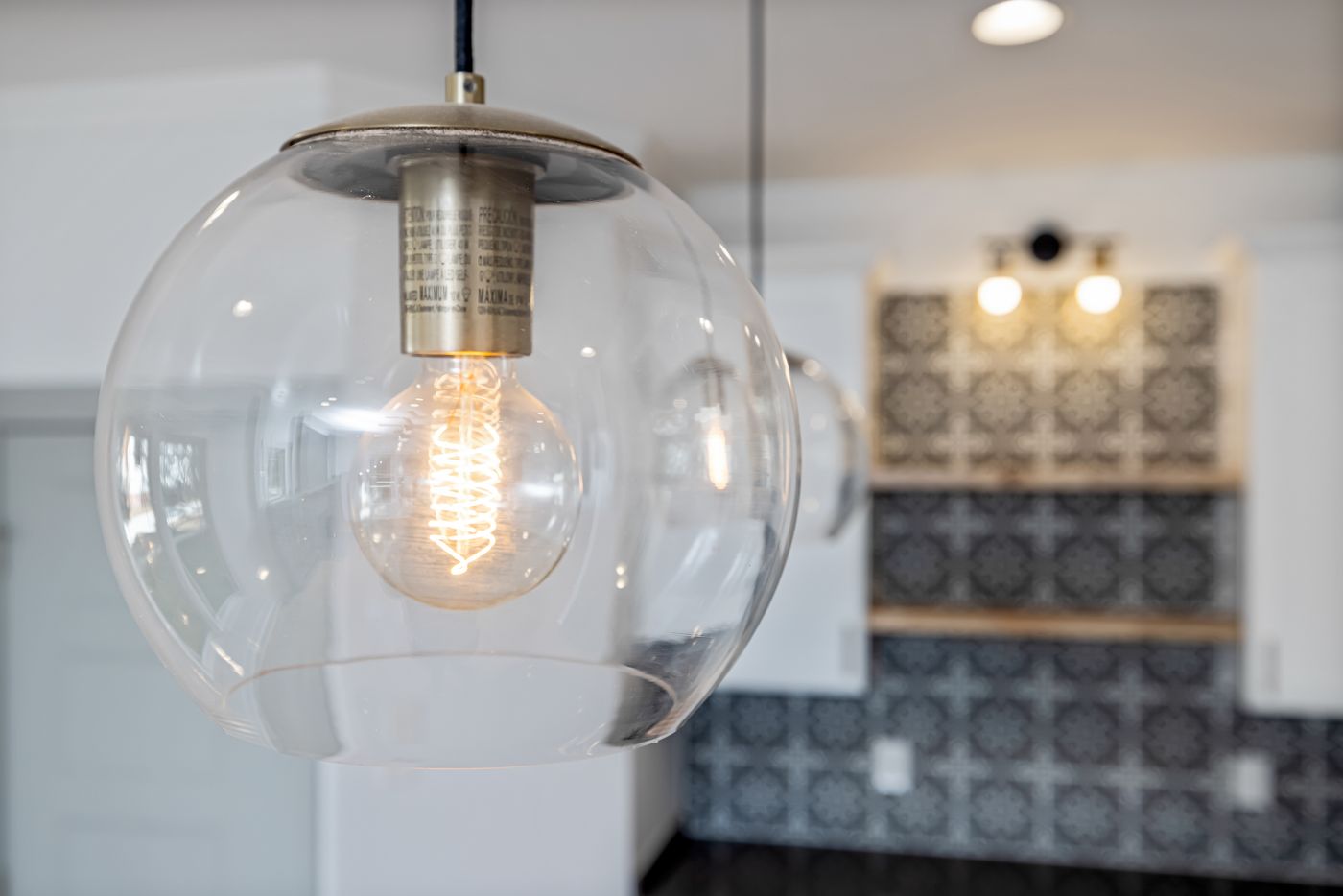
Material, openings and shape determine where light goes and whether the source remains visible.
 Lighting & everyday routines
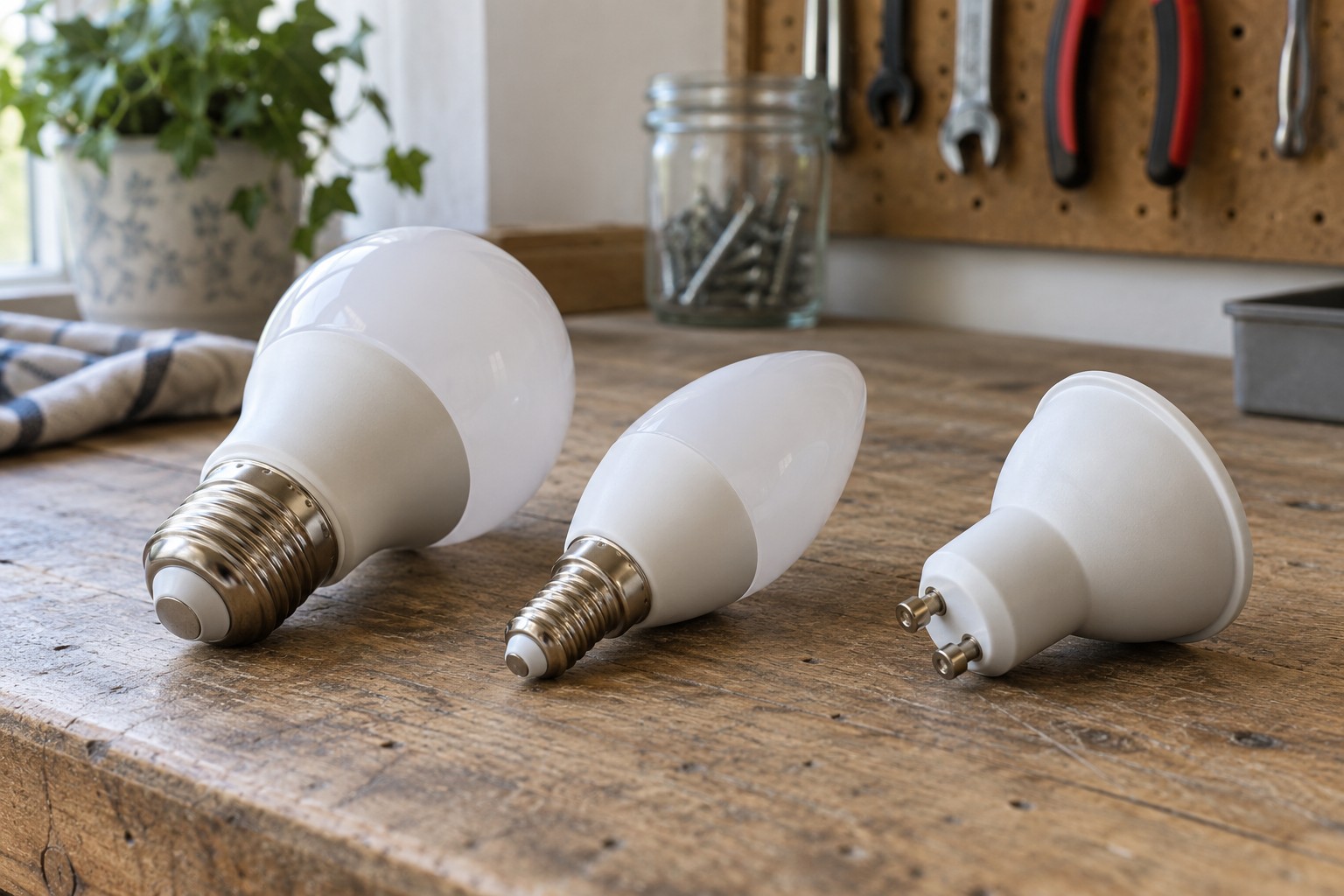
A matching base is only the beginning. Size, voltage, operating conditions and controls also need to match.
 Lighting & everyday routines
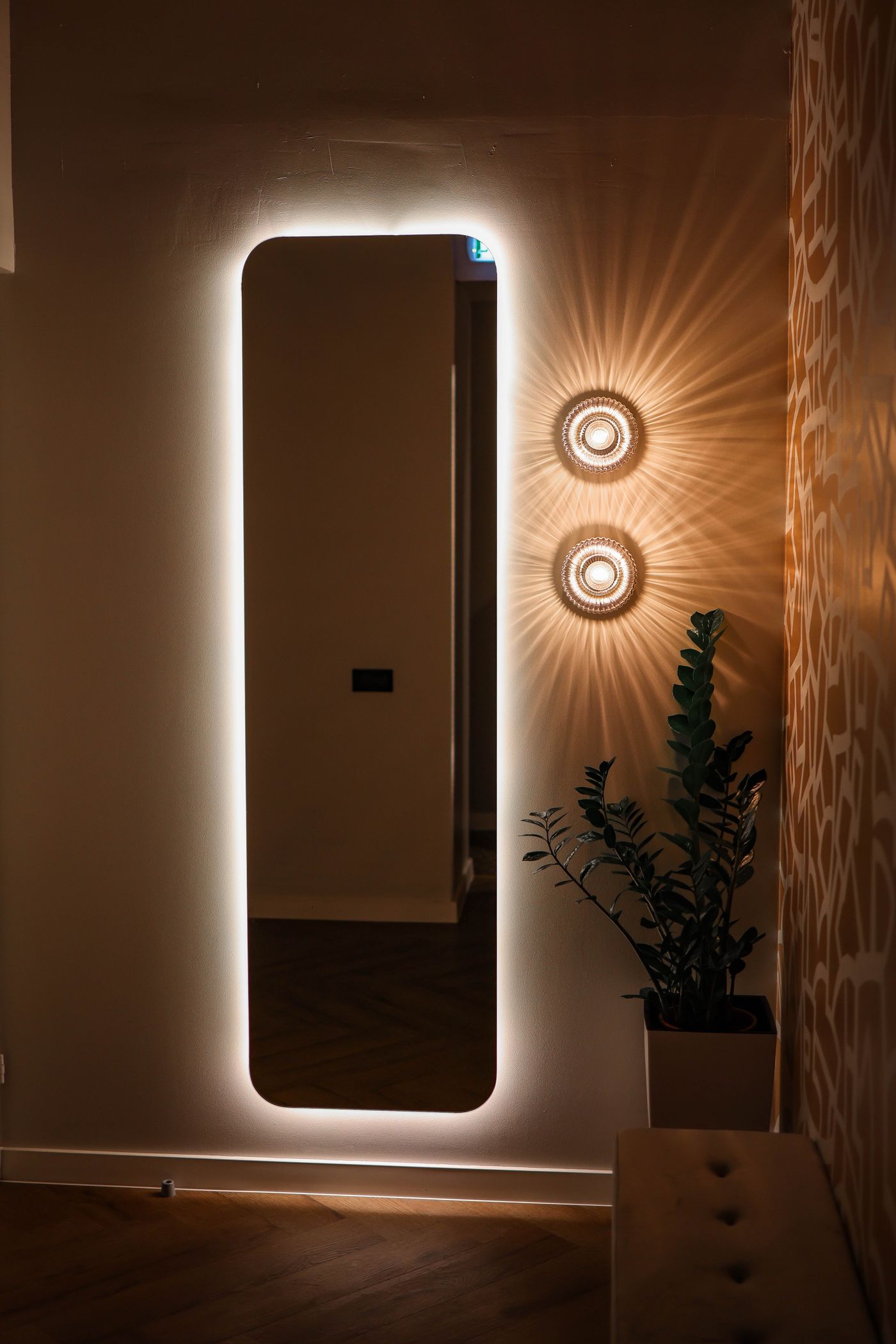
A brightly lit wall is not the same as useful light reaching your face.
 Lighting & everyday routines
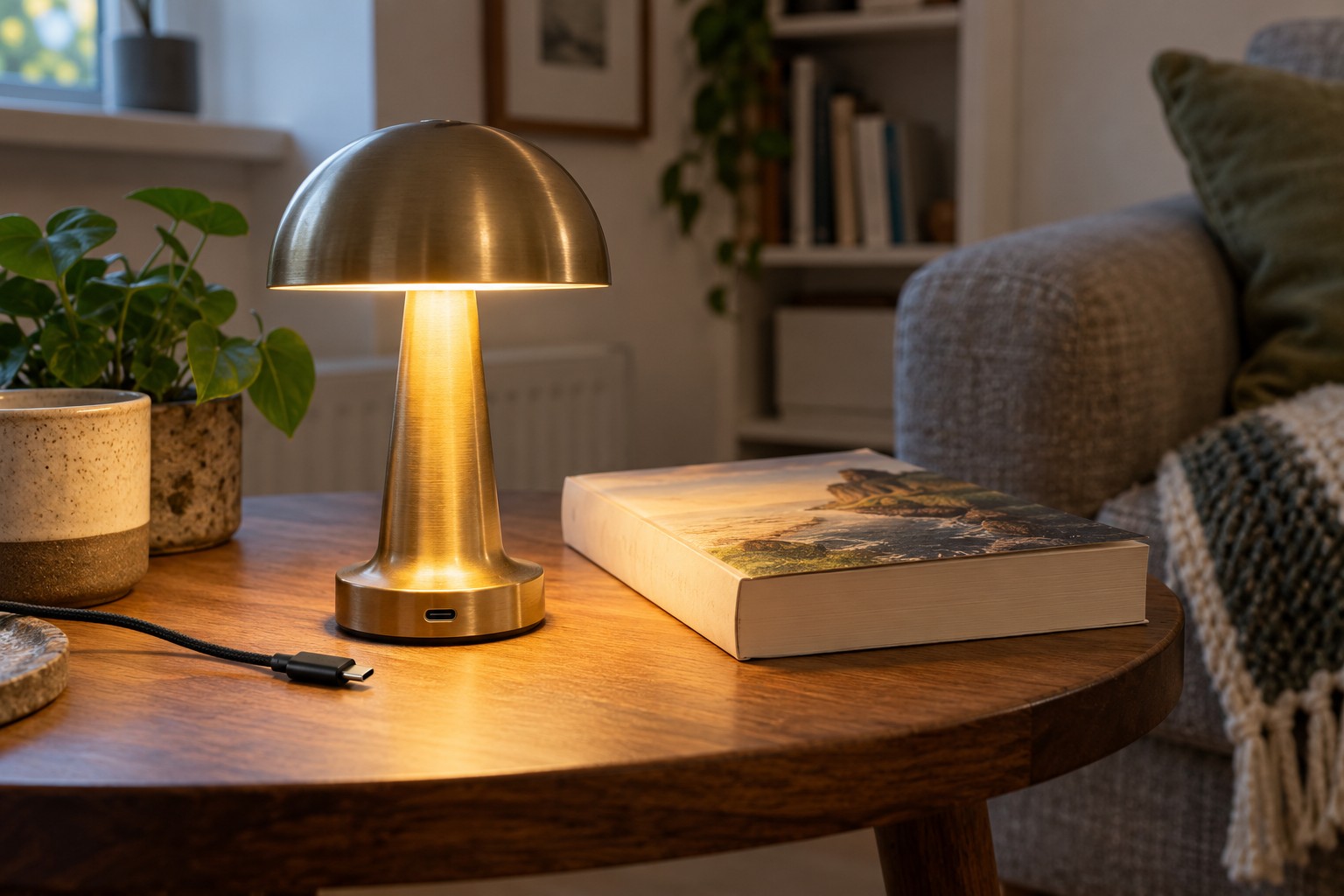
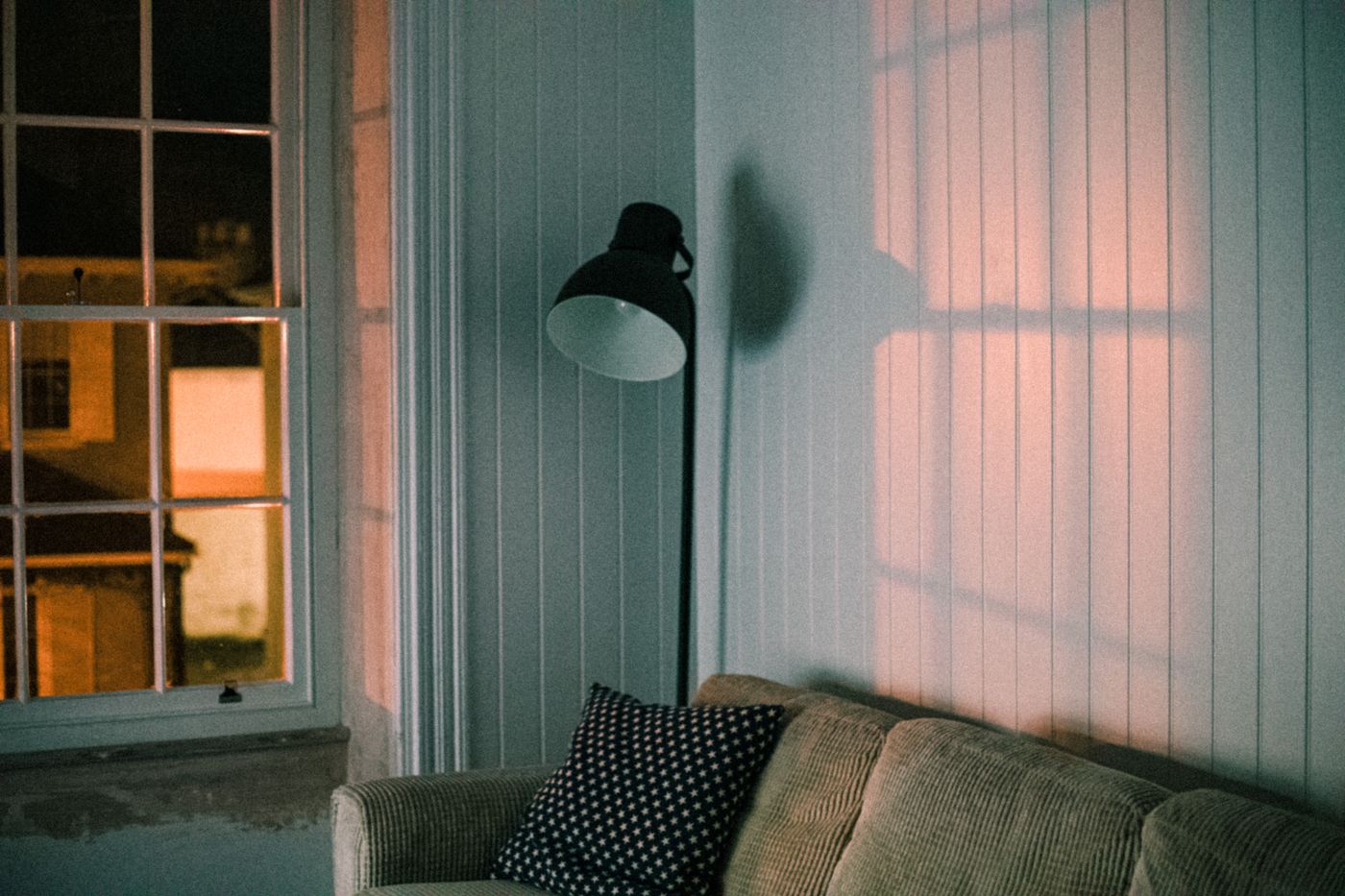
A cordless lamp is convenient only when its runtime, charging position and controls match the way it will be used.
 Lighting & everyday routines
A scene should simplify a recurring situation. The important questions are which lights belong and how other rules interact.
 Lighting & everyday routines
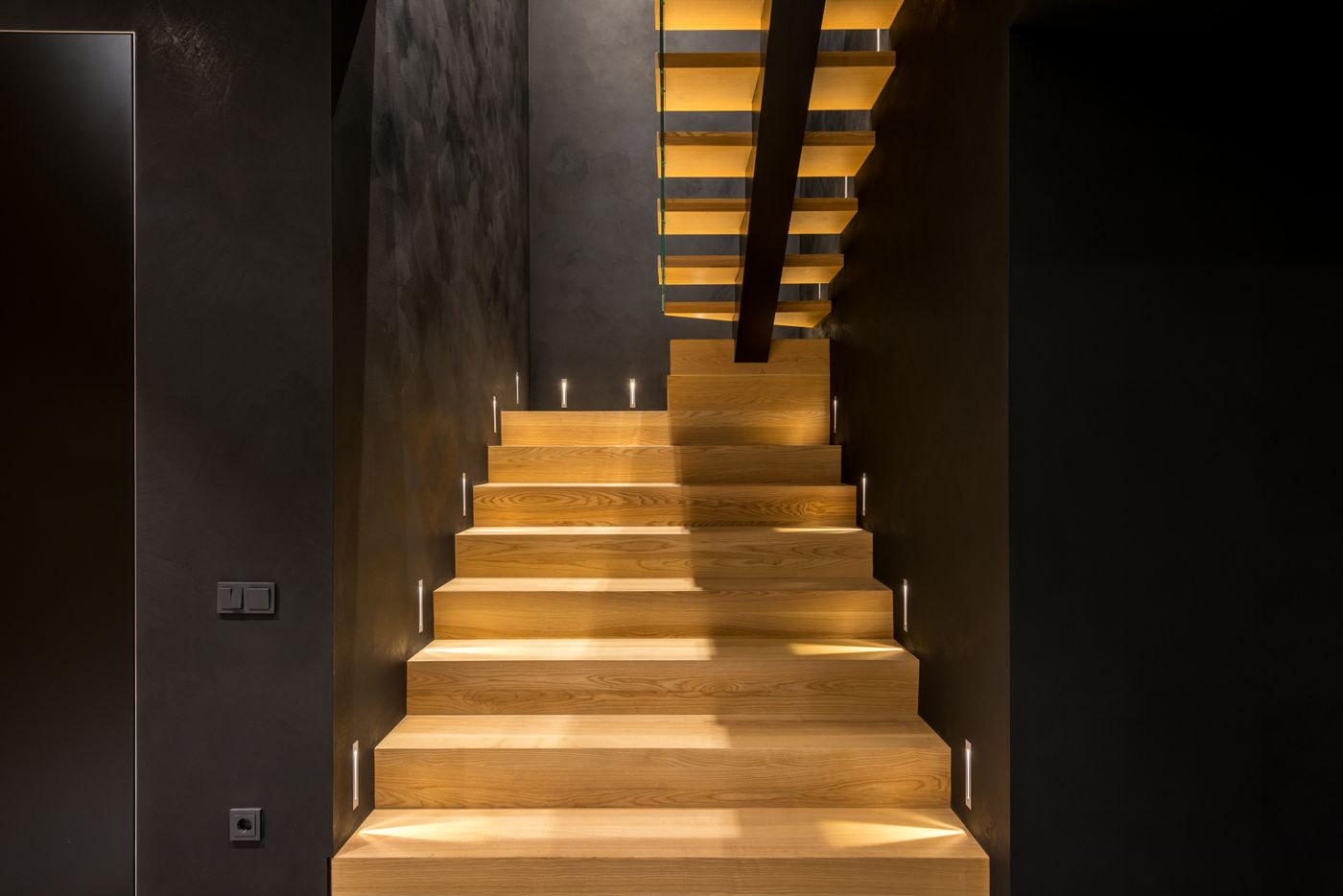
Light should be available before the first step, with the whole route clearly readable.
 Lighting & everyday routines
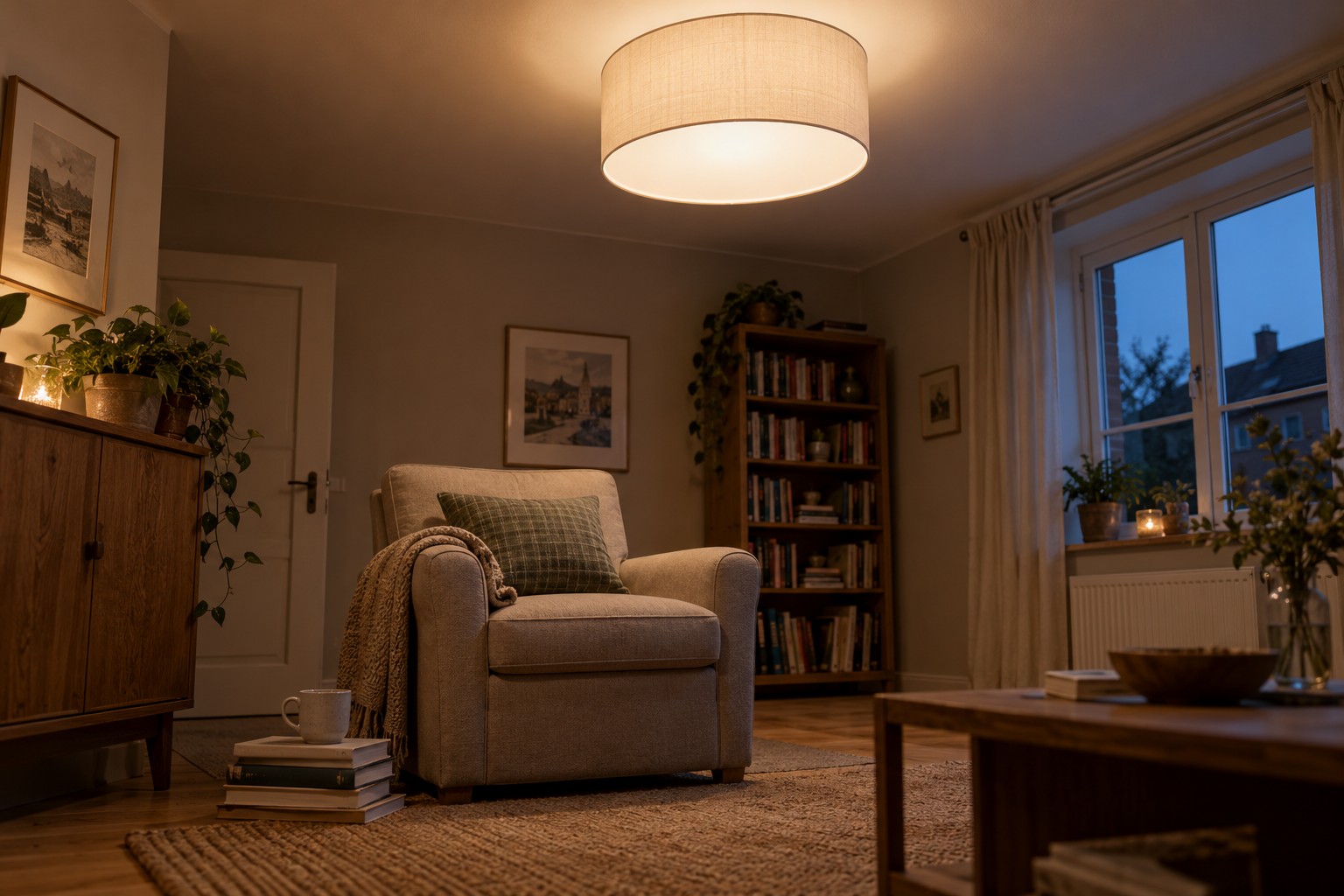
The problem is often a direct view of a small, bright source rather than a bright ceiling itself.
 Lighting & everyday routines
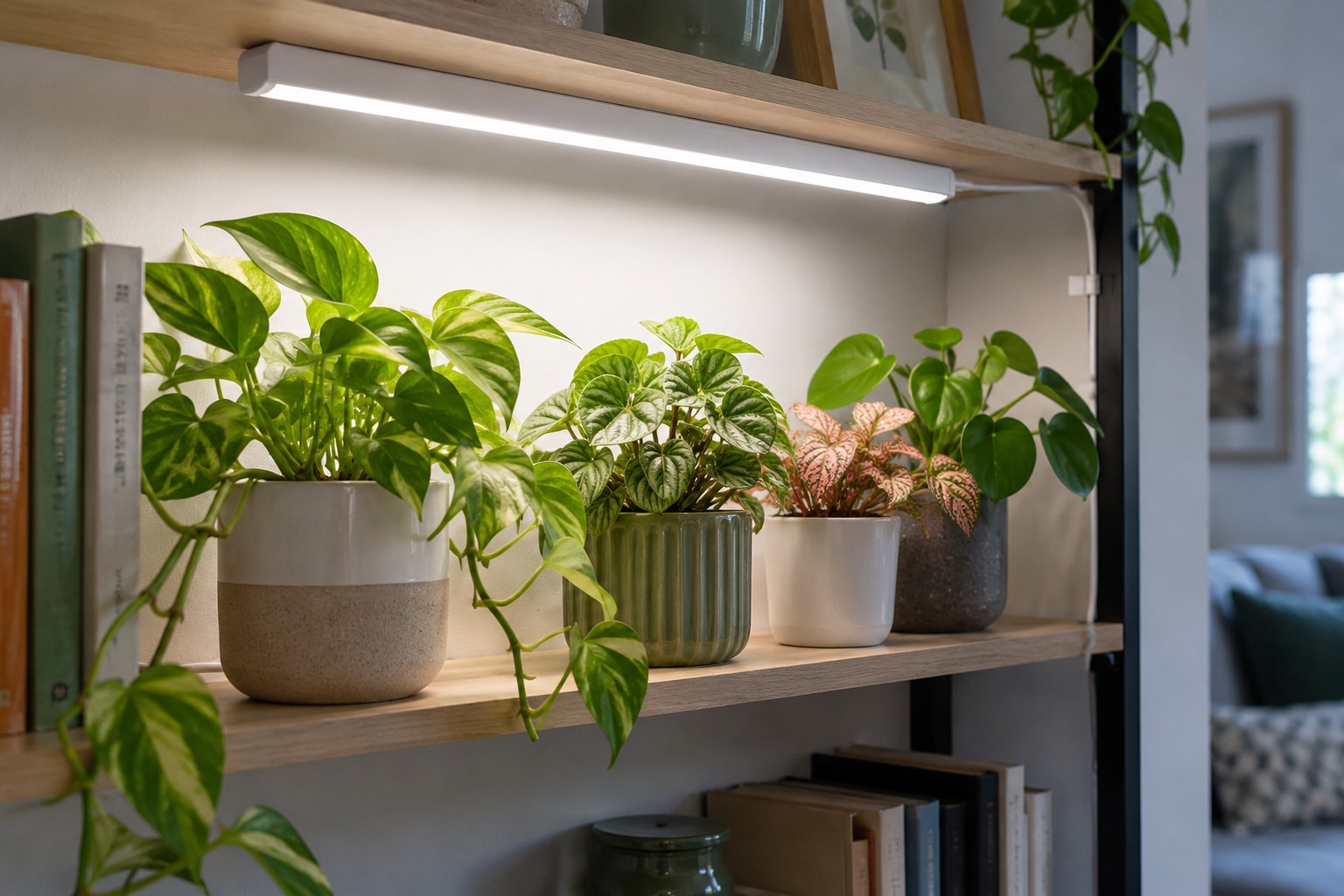
Plant type, existing daylight and lamp distance determine the setup. Purple light alone is not a quality indicator.
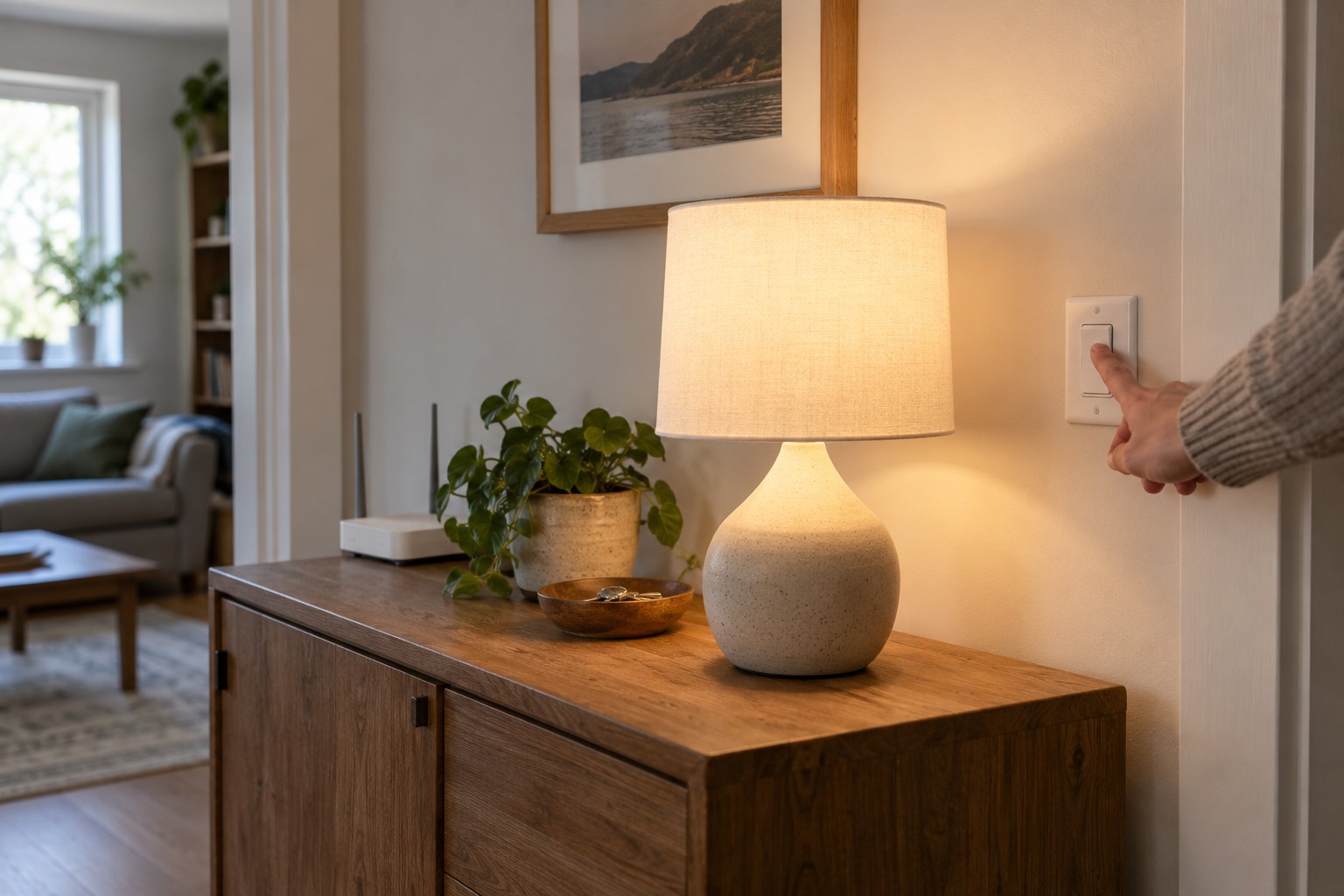 Lighting & everyday routines
Loss of internet, loss of Wi-Fi and an unavailable hub are different failures. Test them separately.
 Lighting & everyday routines
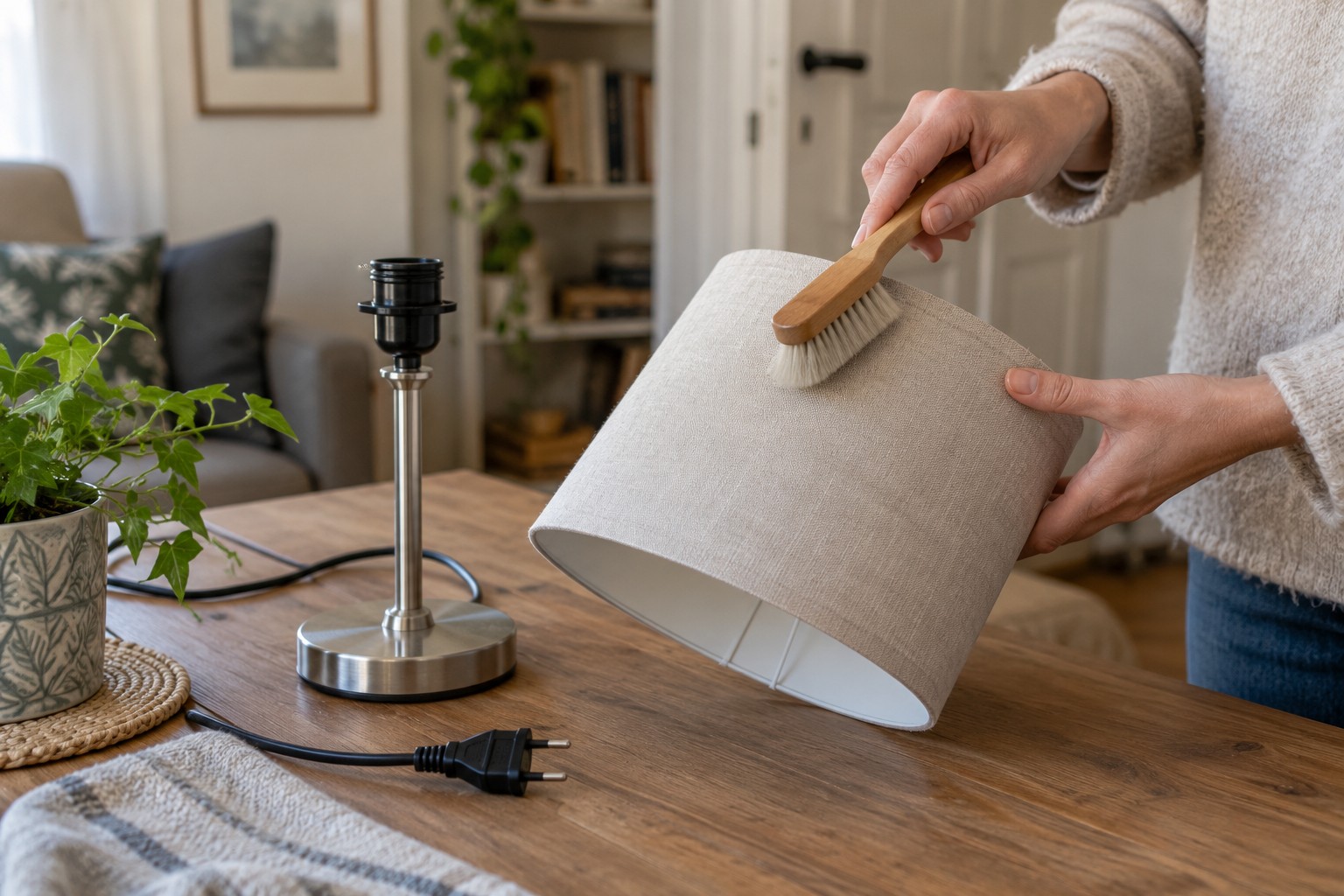
Dust often needs no aggressive cleaner. Material and construction determine what further treatment is suitable.
No matching articles. Try a different search term.