Choosing a light for an outdoor location
A sheltered wall, an exposed garden path and a low-level installation create different requirements.
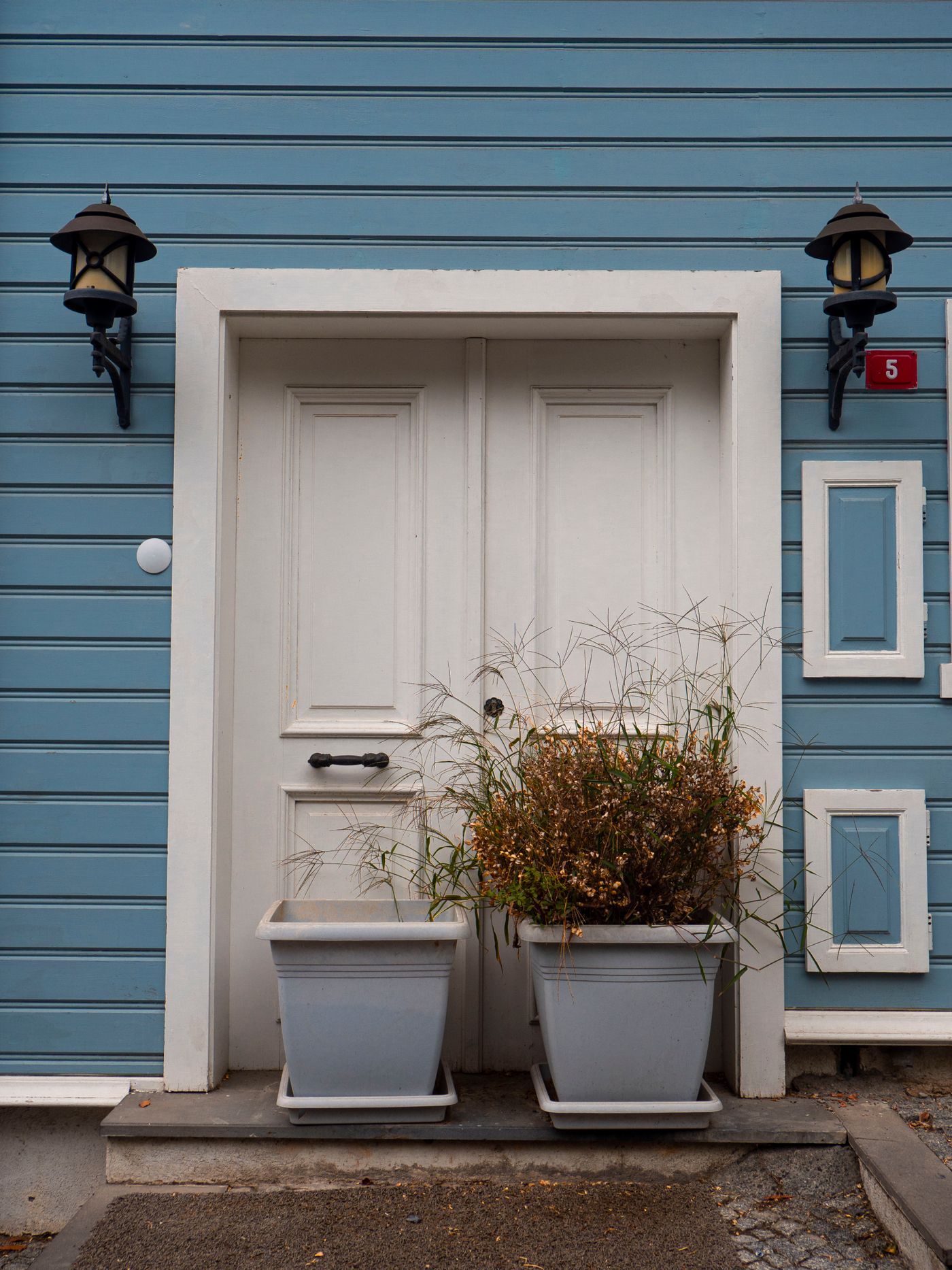
The label outdoor light does not mean a product is suitable for every place in a garden. A fitting beneath a deep roof overhang faces different conditions from a low spotlight beside a regularly watered border. Describe the location before comparing products.
Note rain exposure, possible standing water, irrigation, direct sun and mechanical risks from gardening. Will the light sit on a wall, in a bed or beside a path? Could a door strike it? Might mowing or digging damage its cable? These questions influence the necessary construction as much as the desired lighting effect.
Check the complete system
An IP marking describes particular enclosure protection characteristics. It does not replace the other conditions in the instructions. Temperature limits, mounting orientation and connector handling also matter. A product suitable for rain is not automatically intended for continuous immersion or cleaning with a pressure washer.
In a low-voltage system, the light, connectors and power supply may have different requirements. Check every component, along with the permitted total length and system load. Putting an indoor power supply in a plastic bag does not make it an outdoor product. Use approved combinations and keep connections accessible without placing them across walking routes.
A qualified electrician should plan fixed connections and new outdoor sockets. They can also assess the protection and suitability of the existing supply. Selecting an attractive fitting is not a substitute for providing an appropriate electrical installation.
Illuminate the intended area
Decide whether the light should reveal a house number, keyhole, seating area or path. A broad upward-pointing beam may miss that purpose while shining into neighbouring windows. Check its angle from normal viewpoints and, where possible, from the property boundary. Shielding may be more useful than extra brightness.
For motion activation, the detector should cover the intended approach rather than continually responding to a public path or moving plants. Set the daylight threshold separately from the switch-off delay. Recheck behaviour after plants grow or garden furniture changes position.
Include maintenance in the decision. Would cleaning require a ladder on soft ground? Is a replaceable bulb accessible? Where can the supply be safely isolated? A serviceable position makes long-term use easier and reduces the chance that an awkwardly placed failed light remains unattended.
Compare styling only after these checks. The right outdoor fitting is one whose documented use, light distribution and power arrangement match the actual location.