Helping a robot vacuum navigate loose rugs
Fringes, raised corners and wet mop pads call for different precautions.
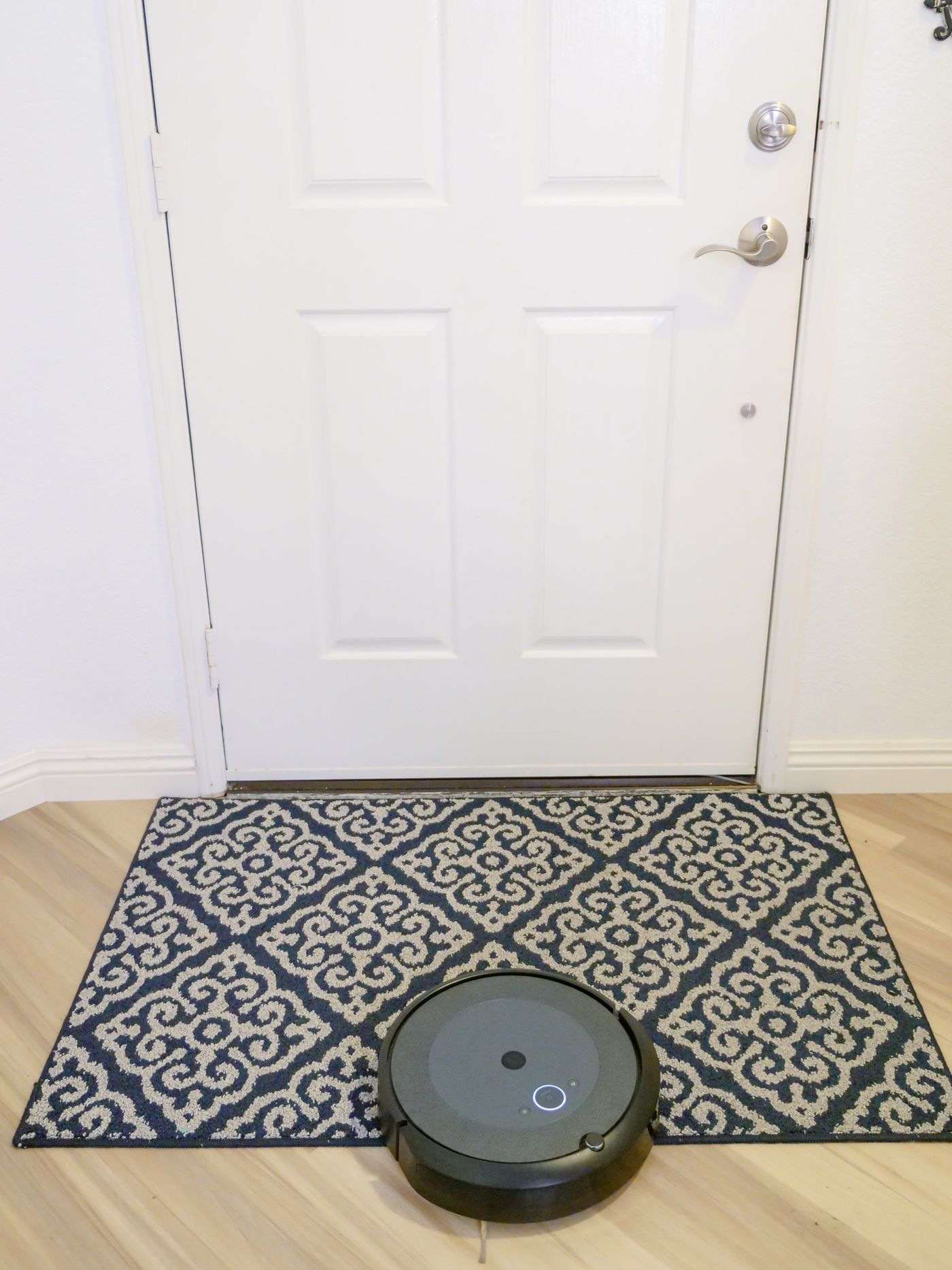
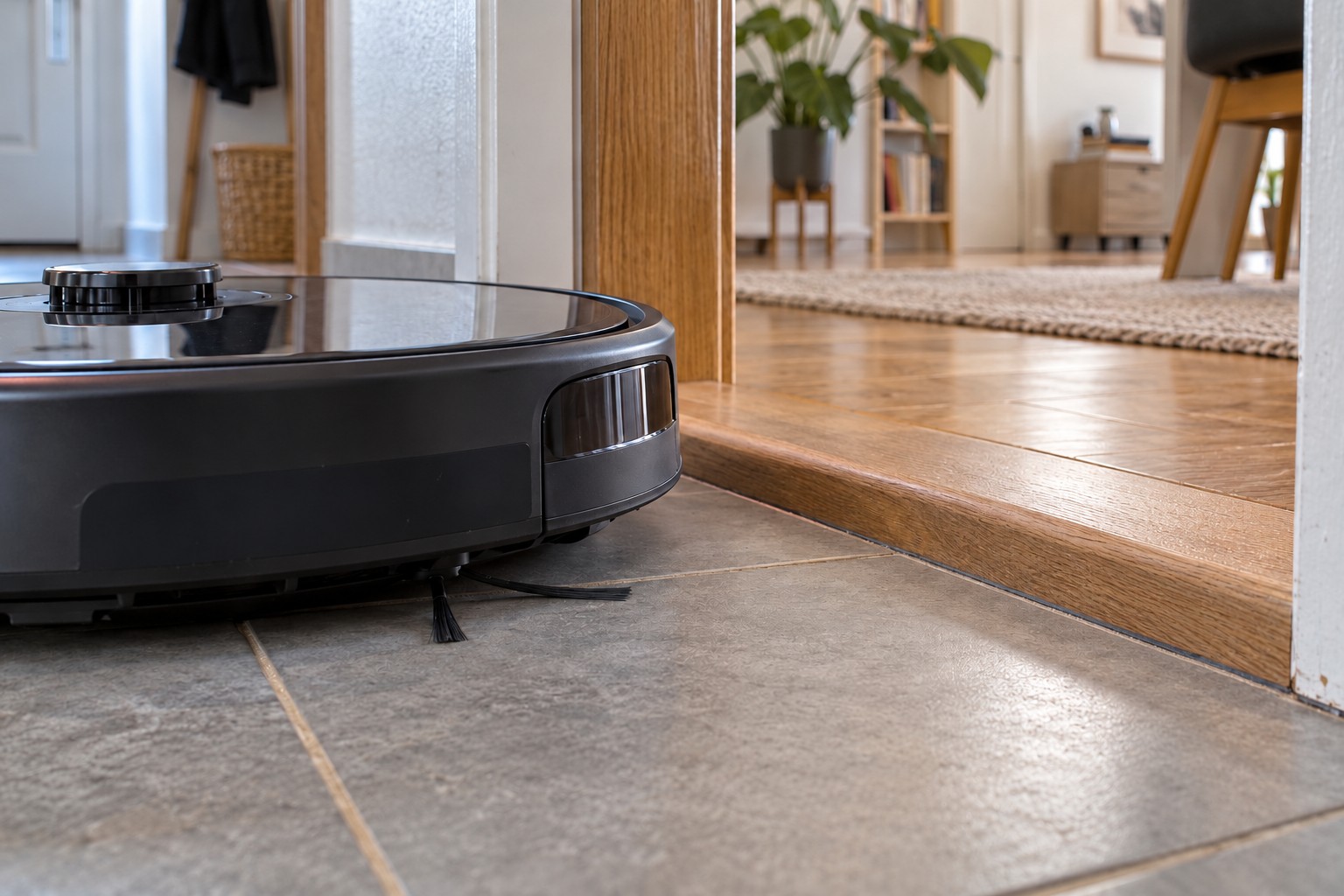
A rug can create several problems for a robot vacuum at once. An edge may obstruct climbing, fringes can enter the brush and a lightweight rug may be pushed ahead of the machine. With a combined vacuum and mop, unintended wetting is another concern.
Check the rug's care instructions and the robot's suitability for that surface first. Delicate fibres or loose weaves may require a different cleaning method. Higher suction is not automatically the correct treatment for every material.
Inspect individual edges
Do not assess the rug from only one approach. One edge may lie flat while the opposite corner curls upwards. Watch the side brush too: it may reach fringe before the body climbs onto the rug. Avoid removing or altering rug components without considering its construction.
A suitable non-slip underlay may stabilise a light rug if approved for both rug and floor. Recheck the overall height and edge shape afterwards. Adhesives or improvised fastenings can damage delicate flooring and are not automatically appropriate.
If the rug remains unsuitable, remove it during cleaning or exclude it with a reliably tested boundary. Inspect where a virtual zone falls in the real room. A tightly drawn rectangle may fail to account for the side brush reaching beyond the body.
Separate vacuuming from mopping
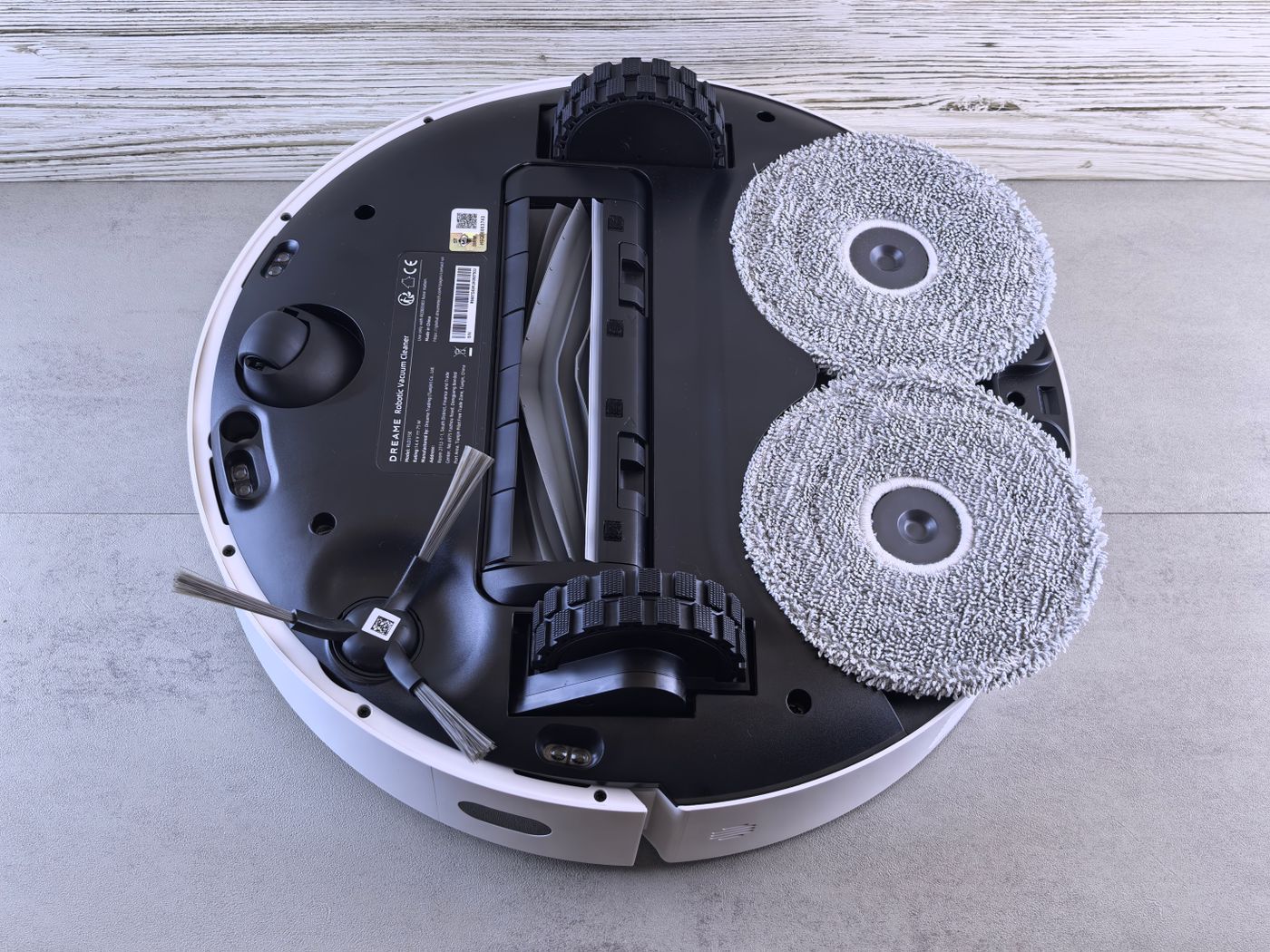
Automatic carpet detection does not mean every pile remains dry. Roborock, for example, describes different modes involving lifting, avoiding or crossing, with availability depending on the model. A mop's lift clearance also needs to suit the actual rug height.
Try an appropriate setting under supervision first and follow the instructions for handling mop modules. If a rug must not encounter moisture, a clear exclusion or separate cleaning routine is often more understandable than relying on an untested detection arrangement.
After the initial run, inspect edges, fringes, underlay and any moisture. Repeat when moving the rug or replacing it with another one. A zone stored on the old floor plan does not necessarily follow a rug automatically when its position changes.