Caring for robot vacuum mop pads
Automatic pad washing is not maintenance-free. Consider the pad, floor and station together.
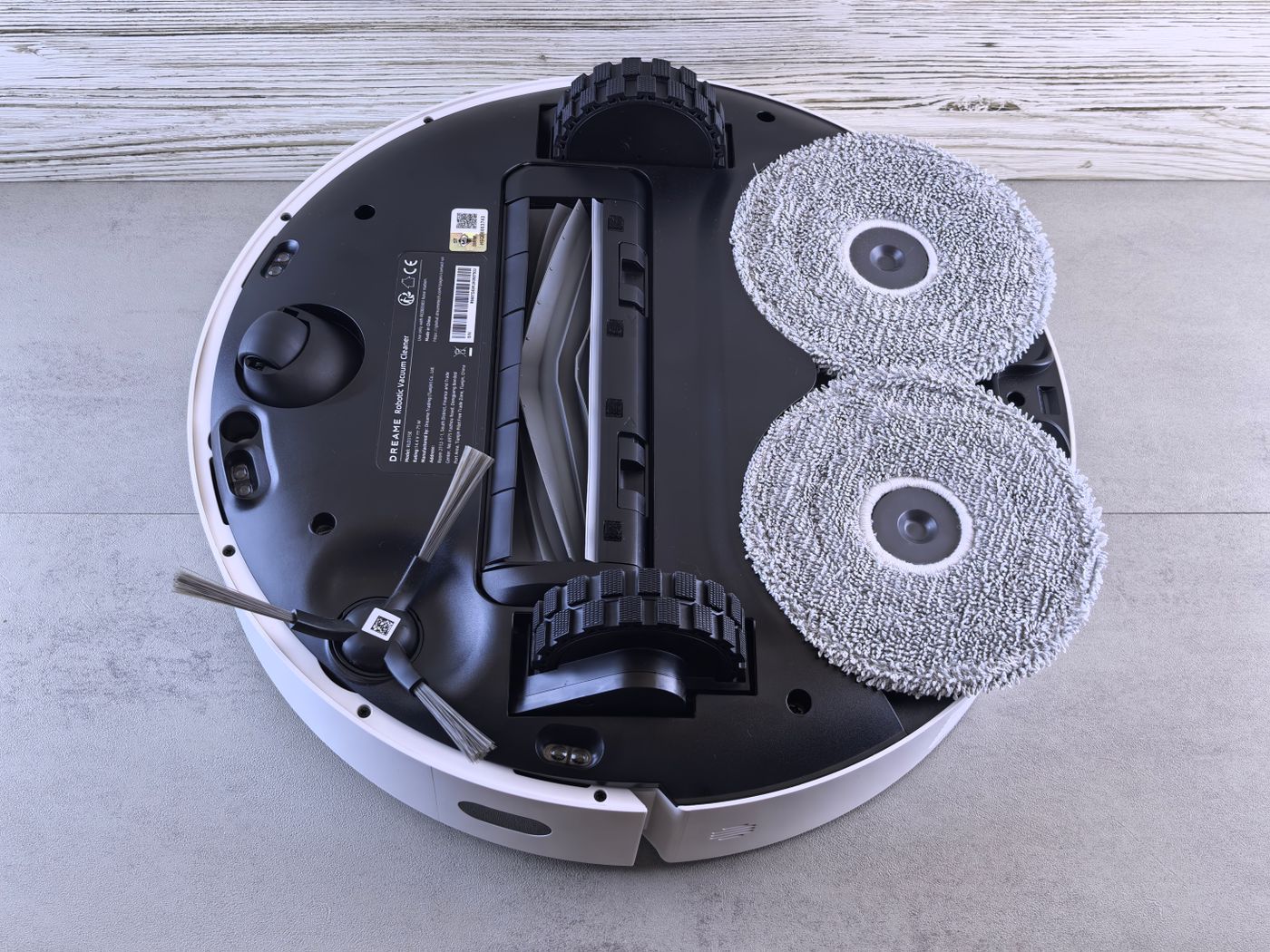
A mop pad collects dirt and regularly contacts water. If it remains damp on the robot after a run, the next start is not automatically a clean start. Check how the model handles washing, drying and pad removal.
A station with automatic pad washing still needs attention. Its dirty-water tank, washing area and accessible drains may have separate maintenance requirements. Automation does not establish that every component can remain unchecked indefinitely.
Treat the pad correctly
Stop the robot and remove the mop assembly as instructed. Some pads permit machine washing; others require a different method. Follow temperature, detergent and drying rules, including any restrictions on fabric softener. Advice for a similar microfibre cloth may not apply to this pad.
Remove coarse debris carefully and inspect for tears, failed attachments or embedded hard particles. A damaged pad may grip poorly or wipe unevenly. Replace it with a compatible part instead of repairing the fastening with glue.
Refit a clean pad in the correct orientation. Creases and misaligned edges change contact with the floor. Check that the robot recognises the assembly where relevant. Repeated driving attempts are not a way to straighten an incorrectly attached component.
Water and cleaning solution
Use only liquids approved for both robot and flooring. An ordinary floor cleaner may foam or affect seals and passages even when it is acceptable for manual cleaning of that floor. Adding more does not automatically improve the result.
Follow the floor manufacturer's care requirements too. A high water setting is not suitable for every finish. Try the intended setting and inspect for excessive remaining moisture. A mopping robot is not designed to deal with spills or material excluded by its manual.
Empty and clean dirty-water containers as instructed and allow the appropriate parts to dry. If odours develop, inspect the accessible washing tray and tank as well as the visible pad. Avoid leaving unnecessary water in the system during a long break. Brief care after use is more effective than trying to rescue neglected pads with an unusually hot wash.