Storing cleaning appliances in a small flat
Separate dry storage, necessary drying and approved charging rather than assuming one cupboard can do everything.

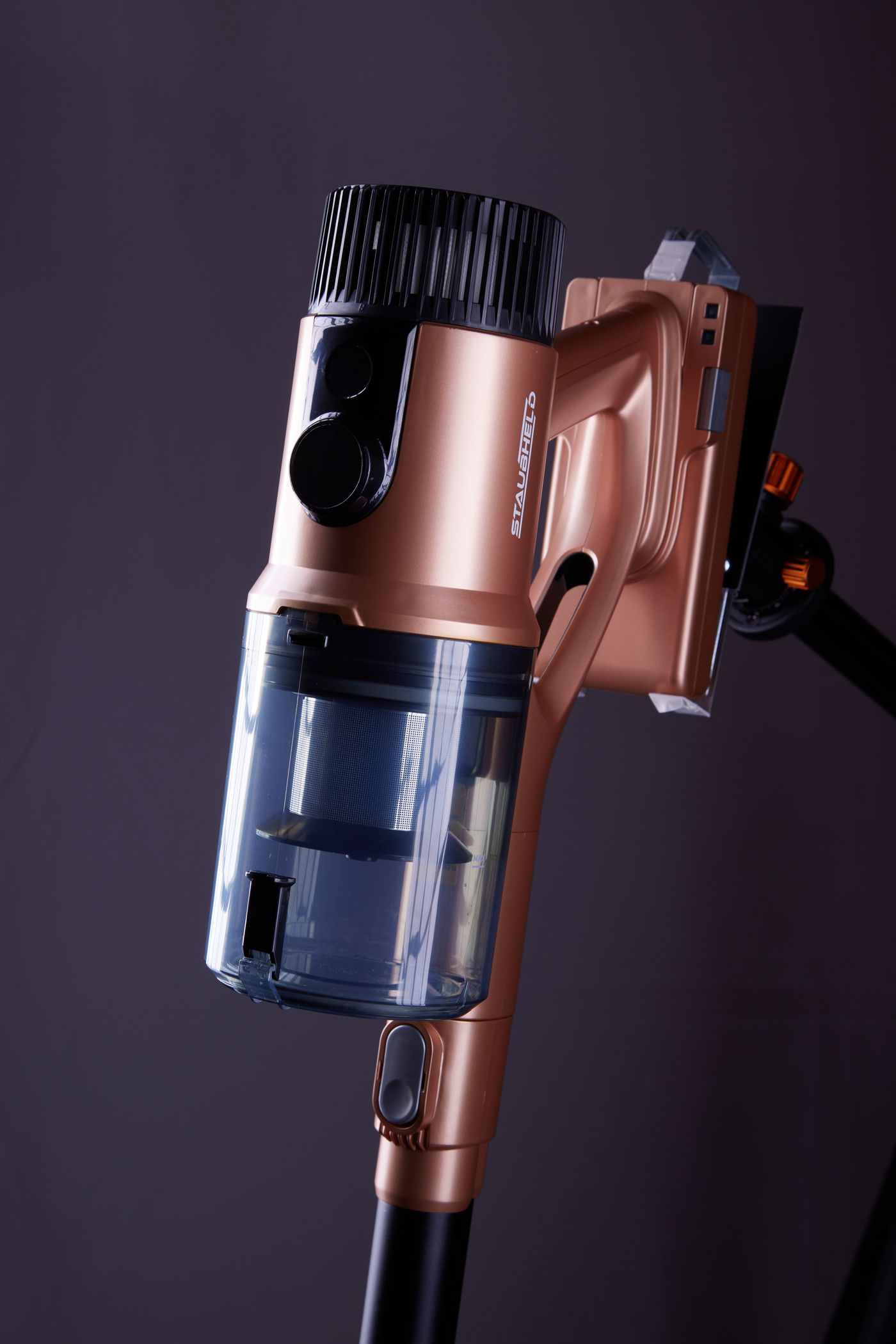
In a small flat, vacuums, mops and accessories often compete with coats or groceries for one cupboard. Before buying extra holders, distinguish three jobs: storing a dry appliance, allowing wet parts to dry and charging a battery as instructed. These do not have to happen in the same place.
Gather the equipment and attachments you actually own. Do not discard necessary parts merely to save space, but separate rarely used accessories from everyday components. Check which machines may stand unsupported and which require a holder or another orientation.
Plan movement, not just dimensions
An appliance can fit inside a cupboard yet remain awkward to remove. Include the movement needed for lifting, turning and opening catches. A large water tank may need more clearance above it than the machine requires while operating. Frequently used tools should not sit behind heavy stored items.
Use holders whose fixings and capacity suit both appliance and mounting surface. Long machines left leaning loosely can fall. In rented accommodation, clarify permitted alterations before drilling walls or cupboard panels. Temporary adhesive is not automatically suitable for the load.
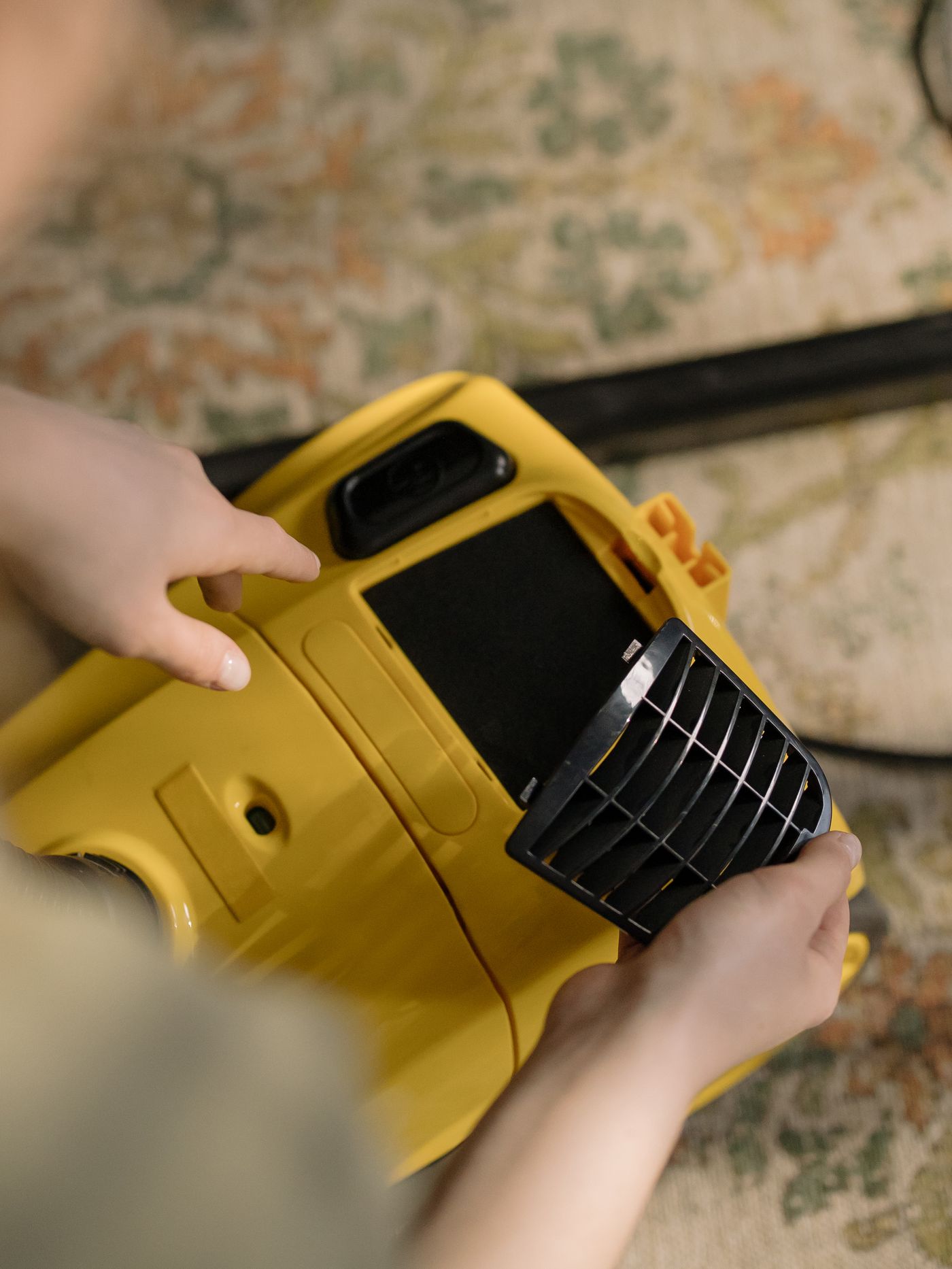
Keep small tools in an accessible container or their intended holders. Separate clean brush surfaces from dirty cloths. Label ownership where necessary so that similar-looking chargers or components are not confused.
Keep moisture and charging separate
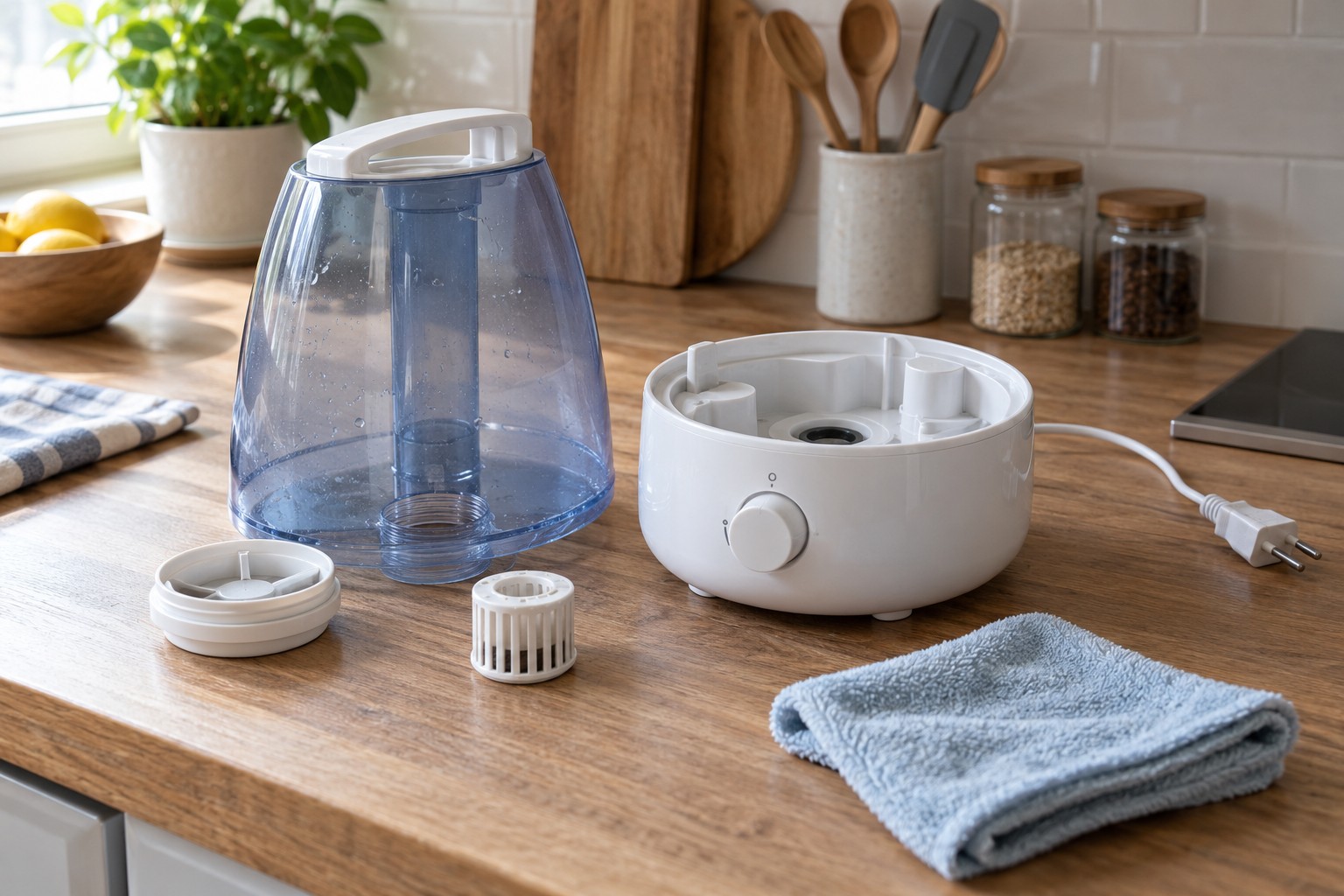
Washed filters, mop pads and tanks must dry as instructed before enclosed storage. A tightly packed cupboard is often unsuitable for this. Plan a temporary drying surface that other household members will not mistake for ordinary storage.
Charging depends on the particular product's temperature, ventilation and power-supply requirements. Do not bury chargers beneath fabrics or pinch their leads. A safe storage location is not automatically an appropriate charging position. Preserve access to the socket.
Try the arrangement for a week. Can the most-used appliance be removed and returned without rearranging everything? Do doors close without trapping wires? Are damp parts actually dried separately? These routines reveal more about usefulness than a photograph of the newly tidied cupboard.