Investigating standby electricity use
Separate standby, background activity and genuine idle periods before planning an automatic switch-off routine.
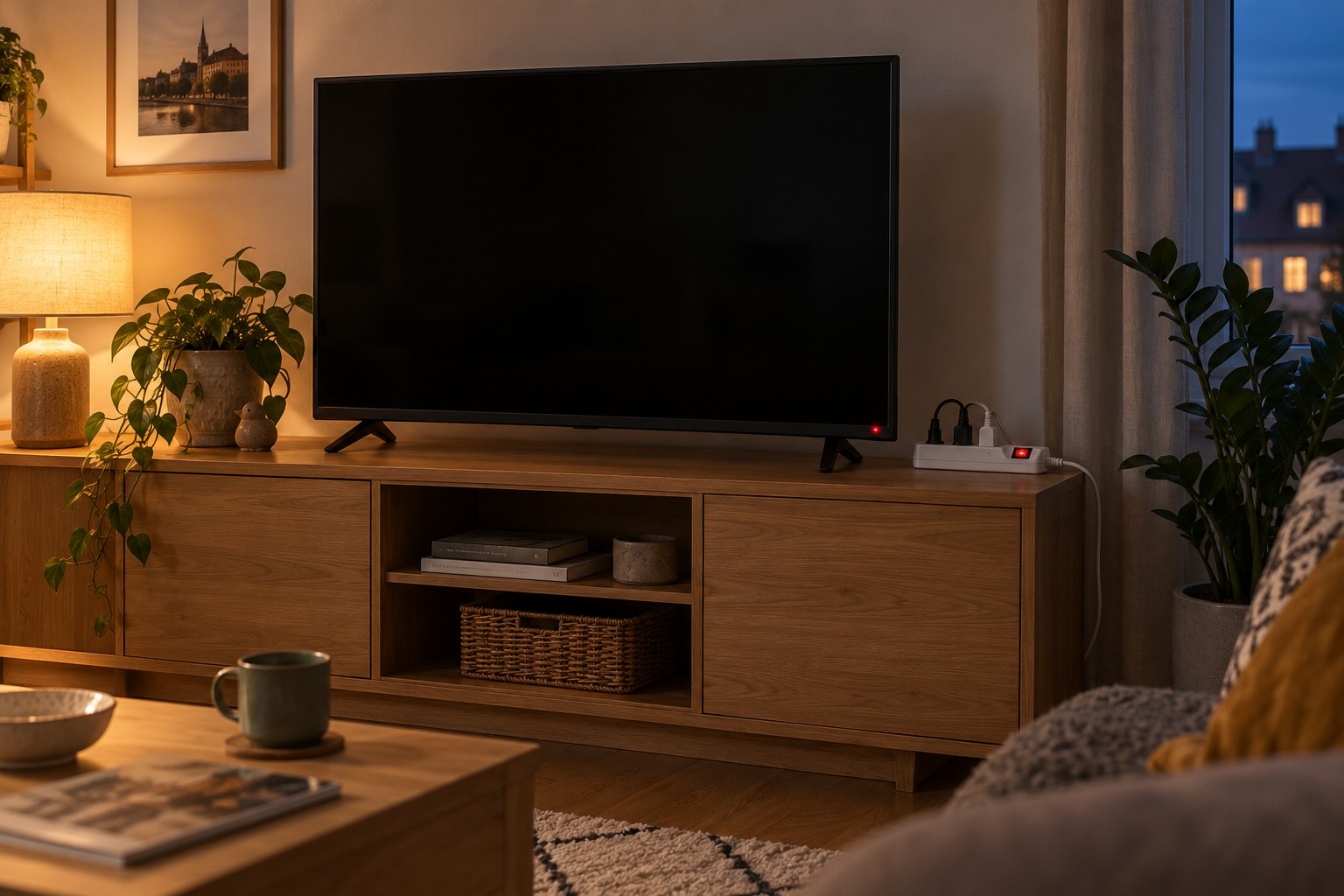
A dark screen does not establish that a device has stopped doing anything. It may be waiting for a network command, preparing a recording or processing an update. To investigate standby consumption, first describe the operating state and only then consider whether switching off is appropriate.
Choose one plug-in appliance that can safely be measured with suitable equipment. Check the instructions for both devices. Leave permanently connected installations, uncertain loads and equipment with necessary continuous functions outside this simple investigation. Do not open sockets or distribution equipment.
When does the observed state begin?
Record how you put the appliance into its idle state: using a remote control, a physical switch or a software command. Allow normal background activities to finish before treating a reading as representative. If power repeatedly rises and falls, a longer observation may tell you more than a single instantaneous number.
Measuring over a defined period includes recurring activities. Note the duration, accumulated energy and enabled functions. Compare only states you would realistically use. An economical mode that prevents a required recording or remote connection answers a different question from the one you started with.
Make the assumptions visible
For a constant load, energy can be estimated as watts multiplied by hours and divided by one thousand. For changing loads, the accumulated kilowatt-hour reading of a suitable meter is more useful. Accuracy at very low power remains a limitation. A display with many decimal places is not automatically a measurement of equivalent precision.
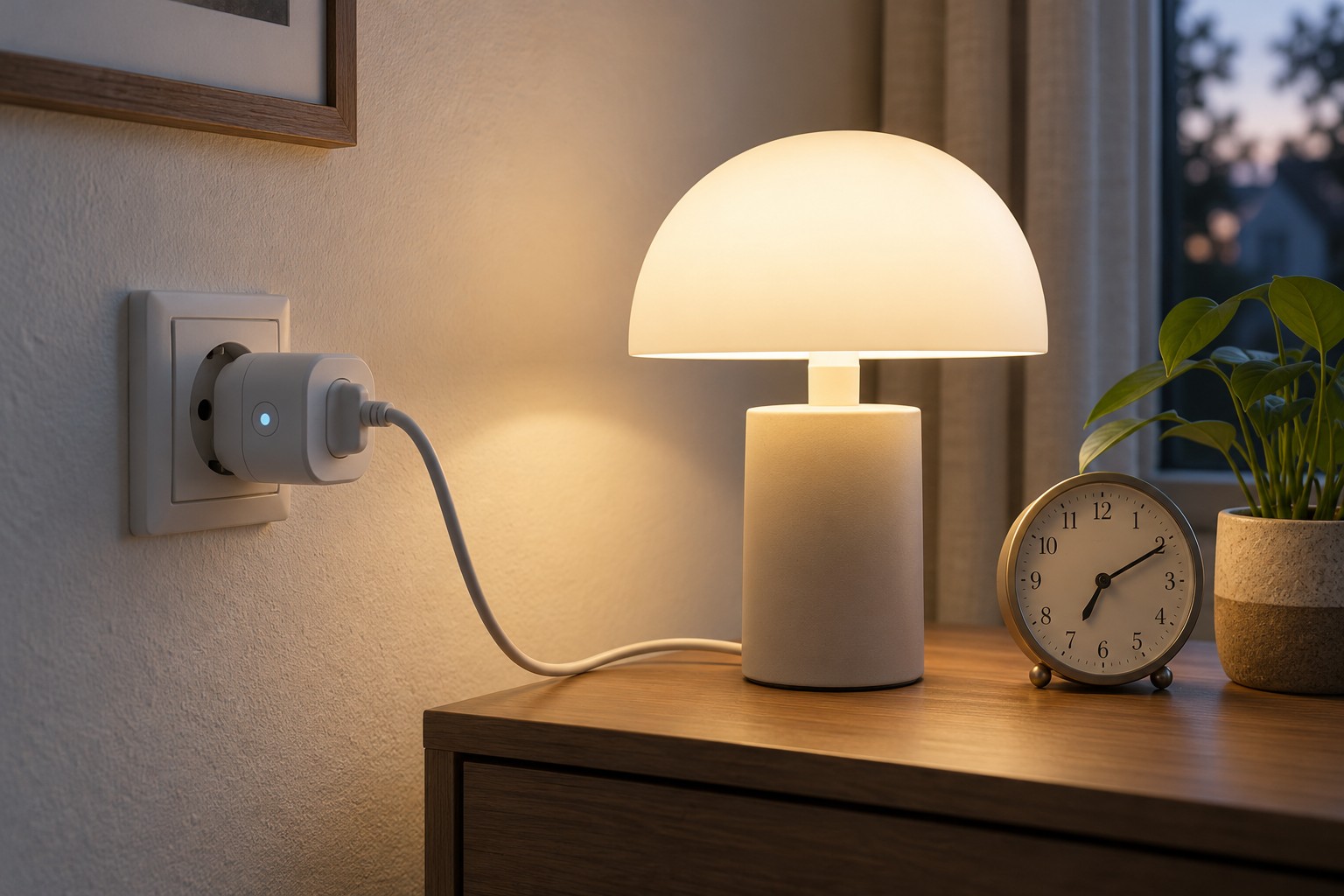
Include any extra control equipment in the decision. A smart plug consumes energy itself and has a purchase cost. It may still be worthwhile for convenience, but installing one does not automatically create a saving. Use the periods you observed and state the assumptions instead of presenting a short trial as a guaranteed annual result.
Before routinely disconnecting power, check which functions depend on it. Some devices perform maintenance after apparent switch-off or require a particular shutdown sequence. A router may provide the connection used by other equipment. A blanket rule for the entertainment corner can therefore interrupt more than the television.
If a change is appropriate, begin with something reversible on one suitable appliance. Check the following day that the functions you need remain available. Keep the measurement note: it will help establish whether a later setting change or replacement makes a difference under the same usage conditions.