Troubleshooting a home automation routine
Separate the trigger, conditions and action. A factory reset is rarely the most informative first experiment.
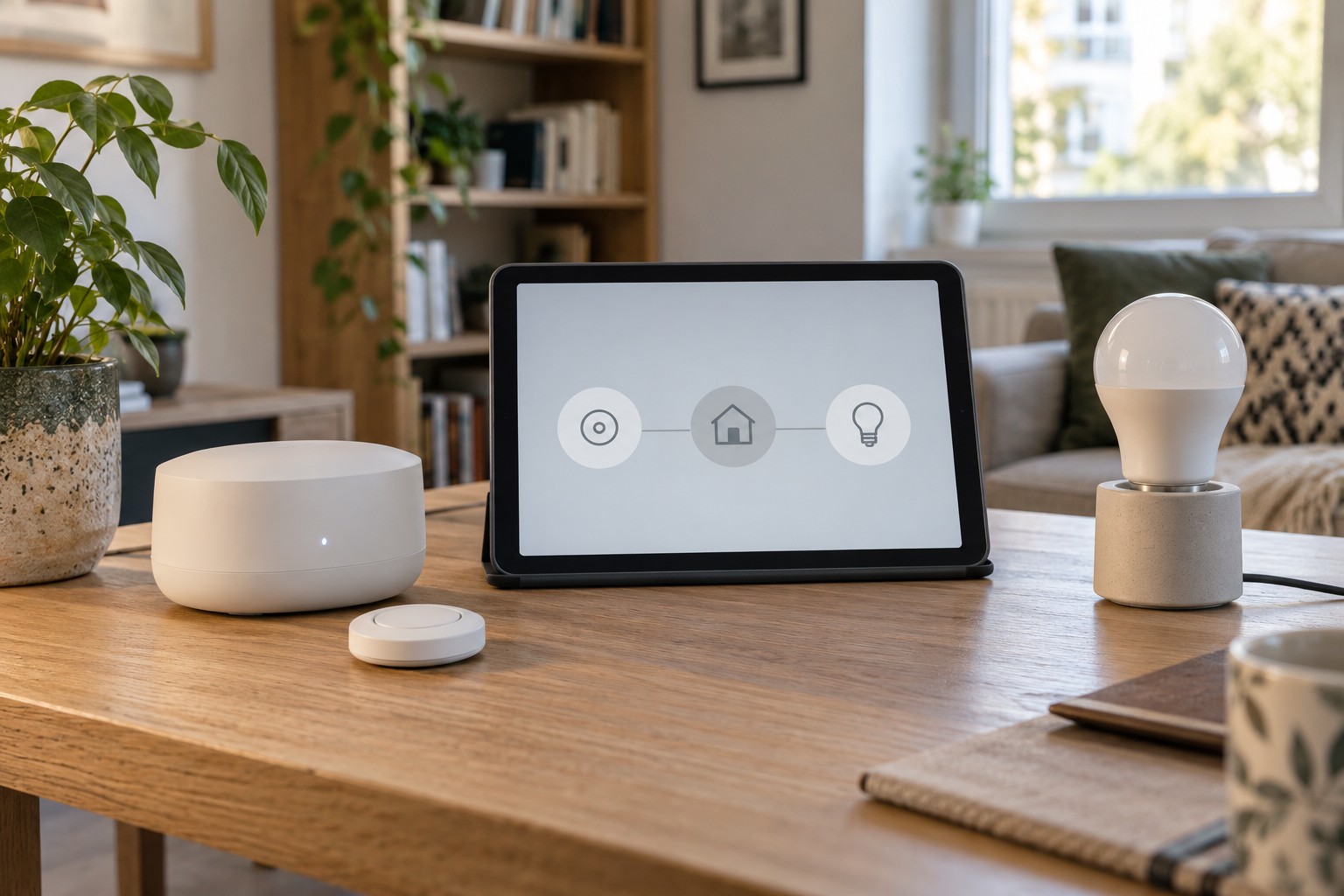
The hallway light should turn on when the door opens, but it stays dark. Everything appears connected in the app. Investigating is easier when the routine is treated as a chain: an event must arrive, conditions must be satisfied and a command must produce the intended effect. A fault at any of those points can create the same visible outcome.
Write down the intended sequence
Describe the rule in one sentence, including its restrictions. For example, the door contact should switch on a particular light after sunset, provided someone is home. Record the exact device names. A renamed or replaced sensor can leave an older entry referenced in the routine.
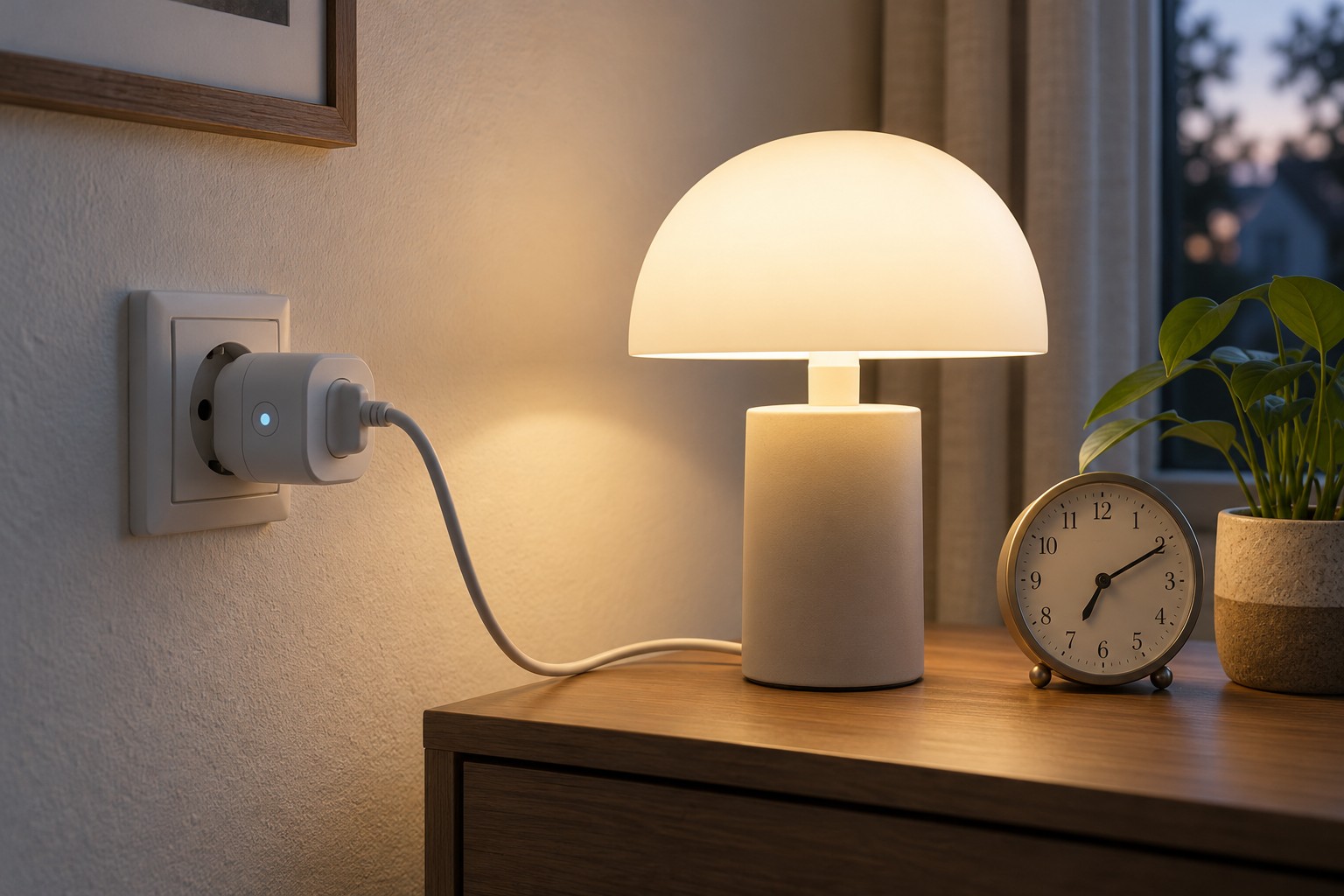
First test the light with a direct manual command. If it does not respond, the problem may already involve power, connectivity or device selection. Changing the door sensor would be premature. Look for a wall switch that has removed power from a smart bulb.
Check whether the event arrives
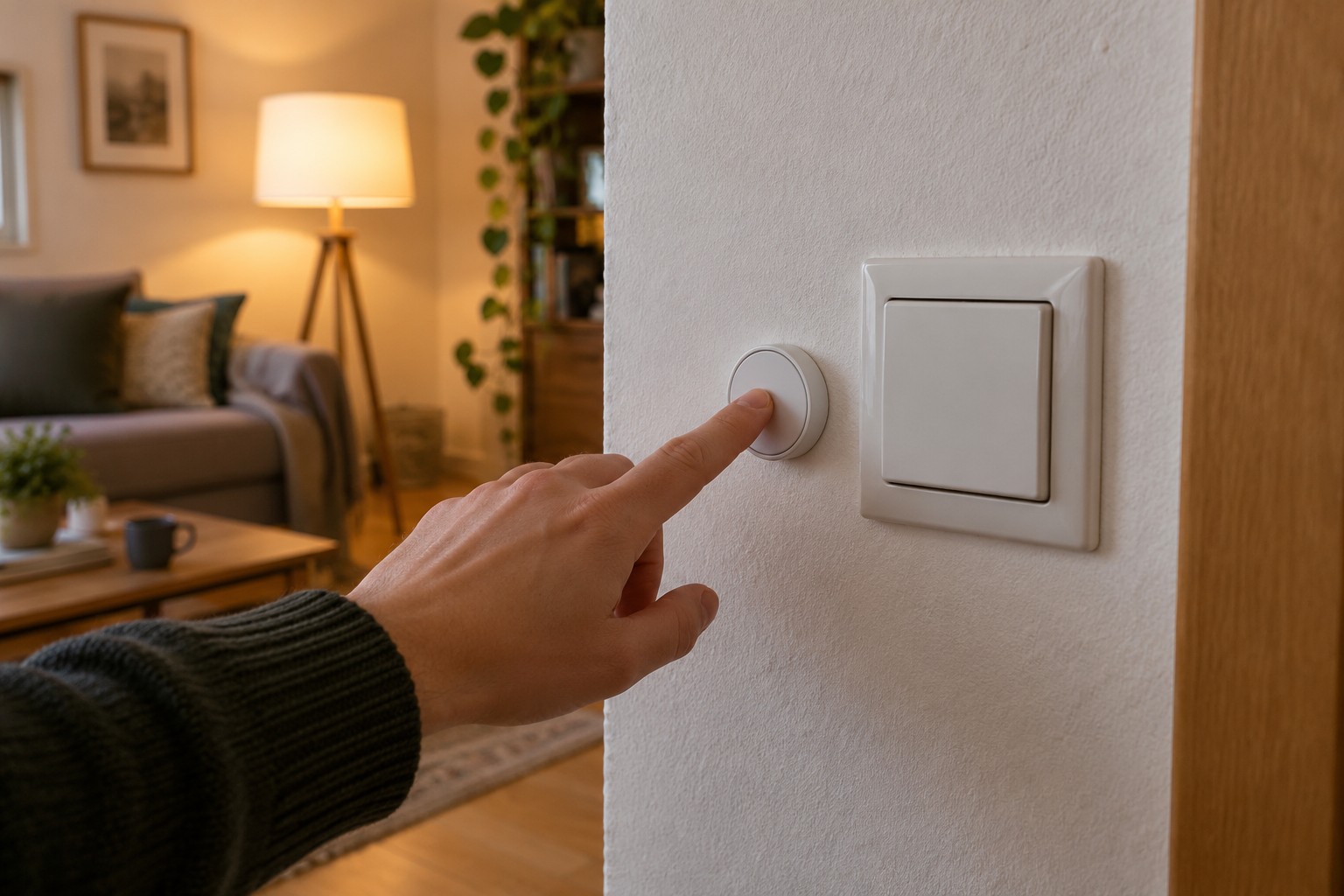
Operate the trigger and observe its state or event history if the system provides one. A contact may report opening while the routine is listening for closing. A button may distinguish a short press from a long press. Compare the event actually reported with the rule, not merely the sensor's name.
For a battery-powered device, check the battery indication and documented connection status. Do not move a sensor in a way that silently removes an important door or safety function. Restrict experiments to suitable non-critical applications and tell other people if normal controls will temporarily behave differently.
A condition may be correctly blocking the action
If the event arrives and the light works manually, inspect the conditions. Are the time, time zone and weekday correct? Is a presence condition satisfied, or does it depend on a phone that is currently unavailable? A routine can operate correctly according to a mistaken assumption about the current state.
For a supervised, harmless test, remove only one additional condition at a time. Record the change and restore the intended restriction afterwards. Do not remove several protective or timing conditions simply to obtain some response. The result would be difficult to explain and might cause unwanted actions during ordinary use.
Look for a second routine controlling the same target. One may turn the light on while another immediately turns it off. If a history is available, compare timestamps. A brief flash or changing state can suggest a conflict, but is not conclusive evidence on its own.
Test when it should and should not run
After a correction, check at least two cases: one in which the action should happen and one in which it should not. For the hallway example, that might mean an evening trial and another outside the allowed period. This establishes more than whether the light eventually reacts; it also checks that the restrictions still work.
Keep a short note about the cause. A wrong device reference, a clock problem and a missing connection need different solutions. Resetting everything at the beginning often removes the information that would distinguish them. A complete rebuild may eventually be necessary, but it should follow an understandable diagnosis rather than being the first response to every missed action.