Checking bulb fittings and shapes before buying
A matching base is only the beginning. Size, voltage, operating conditions and controls also need to match.
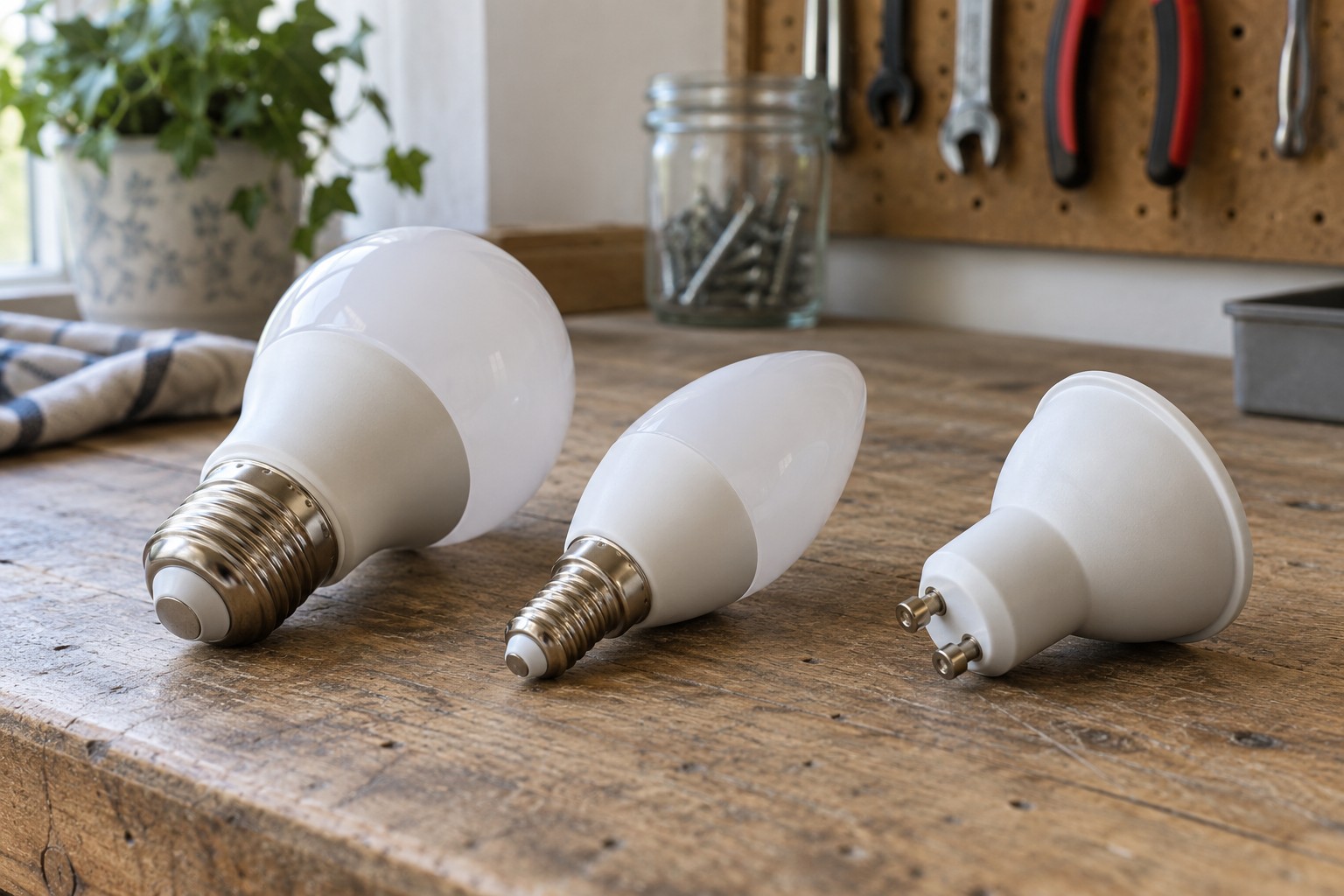
A replacement bulb can screw into a fitting and still be unsuitable. Its body might be too wide for the shade, it may not support dimming or it may be unsuitable for an enclosed housing. Do not use the old base shape as the only buying criterion.
Isolate the supply and let the existing bulb cool before removing it as instructed. Photograph the readable markings on both bulb and fitting. If the lampholder is damaged or unclear, have the fitting checked rather than forcing in something that looks approximately right.
Make a short comparison list
Record the exact base designation, intended voltage and maximum permitted wattage of the fitting. Do not treat different pin or twist-lock bases as equivalent by appearance. With special low-voltage bulbs, the supply must also suit the replacement. A physically usable adaptor does not automatically make an unsuitable combination acceptable.
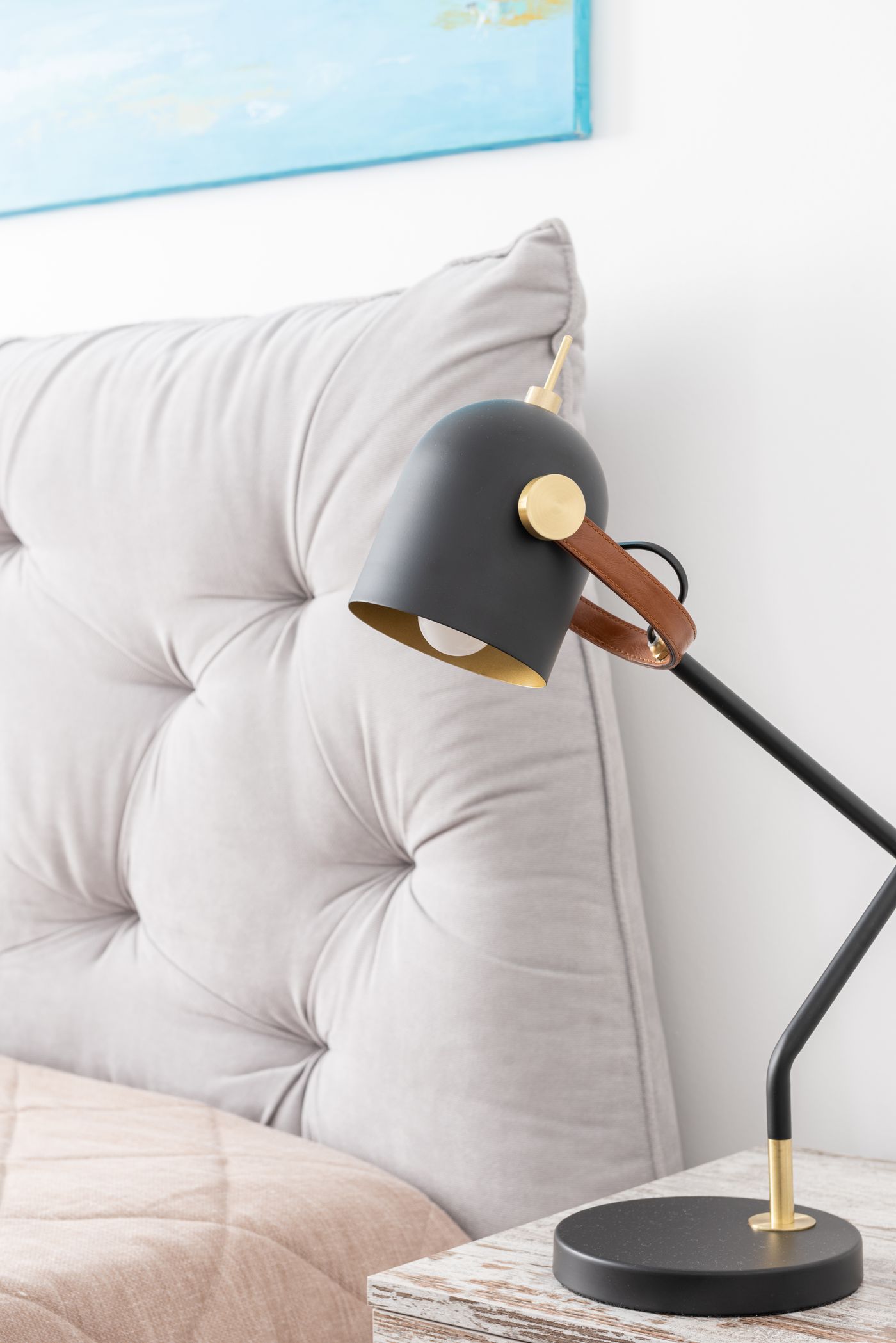
Measure the available space too. The new bulb's length and widest diameter may differ from the old model. Confirm that a shade, cover or protective glass can still be fitted correctly. For directional bulbs, shape also affects whether the beam reaches the intended surface.
Compare lumens and Kelvin separately from watts. A different lamp technology may provide a similar output using less electrical power. The fitting's actual wattage limit must still be respected. An incandescent-equivalent description is not permission to ignore the replacement's real power consumption.
Account for existing controls
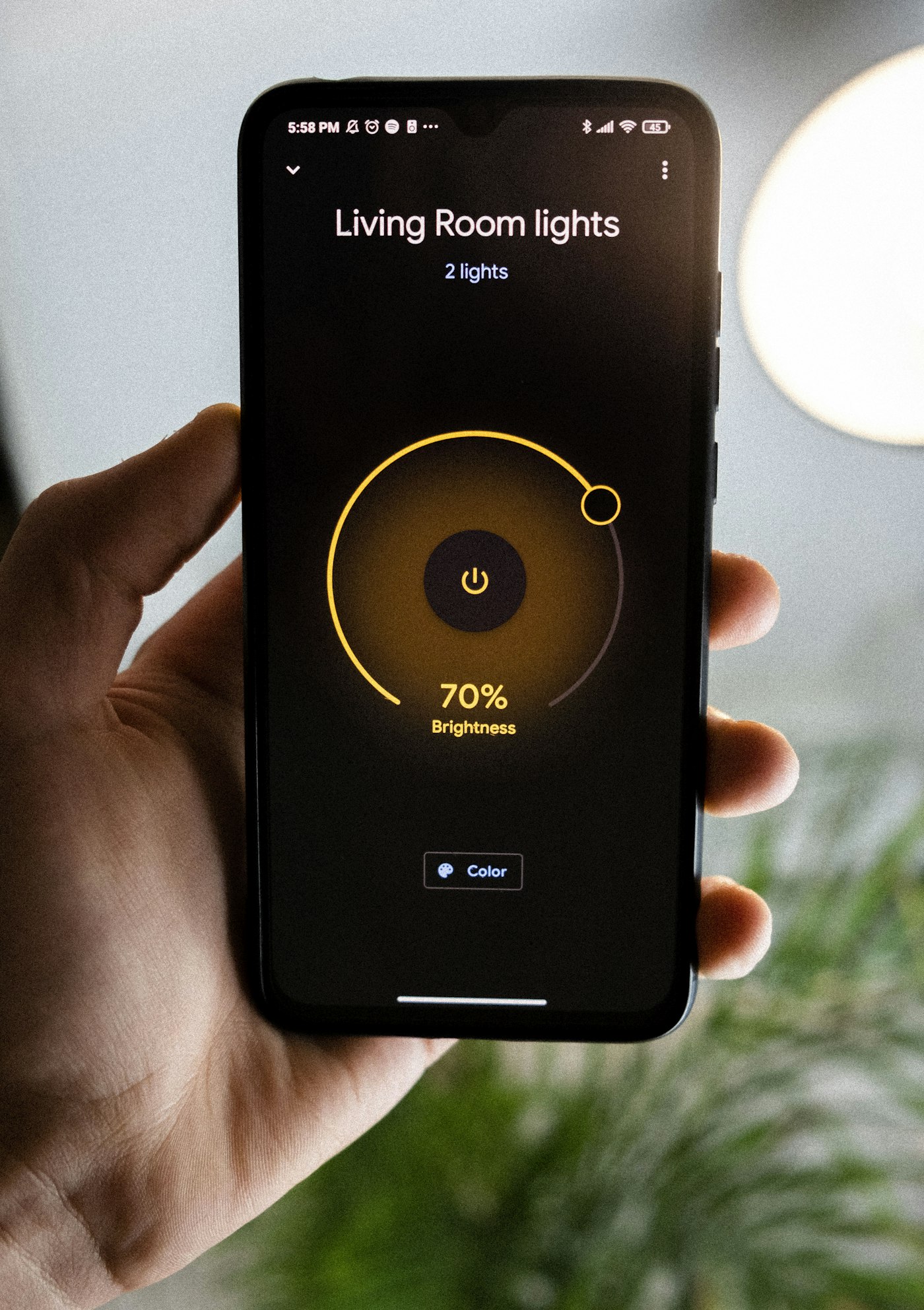
If a dimmer is installed, the replacement must be explicitly dimmable and suitable for that combination. Smart bulbs also have requirements for supply and control compatibility. An existing wall dimmer is not automatically compatible just because the new bulb can also vary its brightness.
Look for restrictions concerning enclosed fittings, damp locations and operating position. These may appear in technical documentation rather than the largest print on the packaging. If an important specification is missing, clarify it with the manufacturer before buying.
Keep the exact model details after a successful replacement so that a suitable future match is easier to find. During initial use, check that the bulb sits properly and provides the expected light without unusual behaviour. Do not open the fitting to continue experimenting if the result suggests a fault.