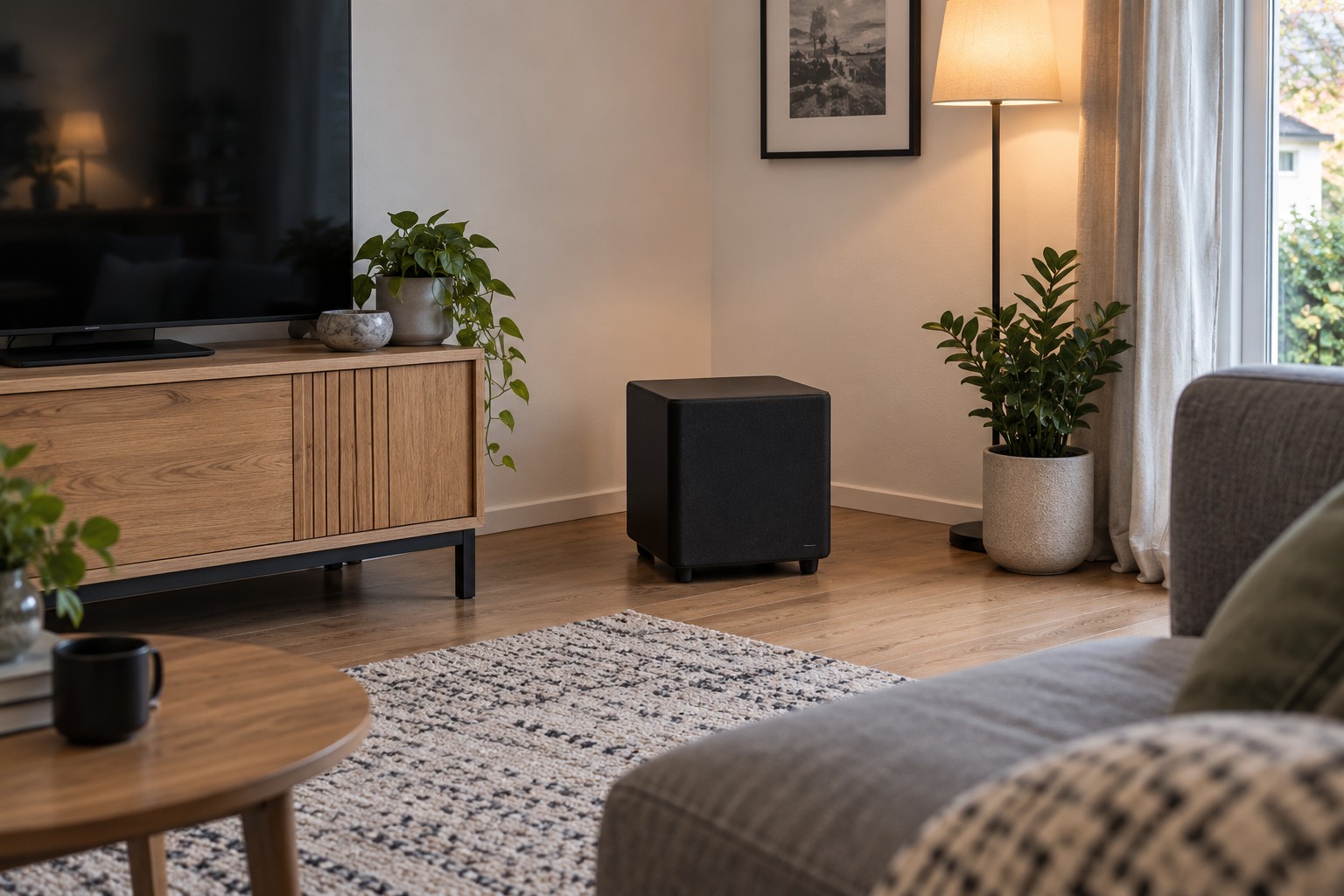
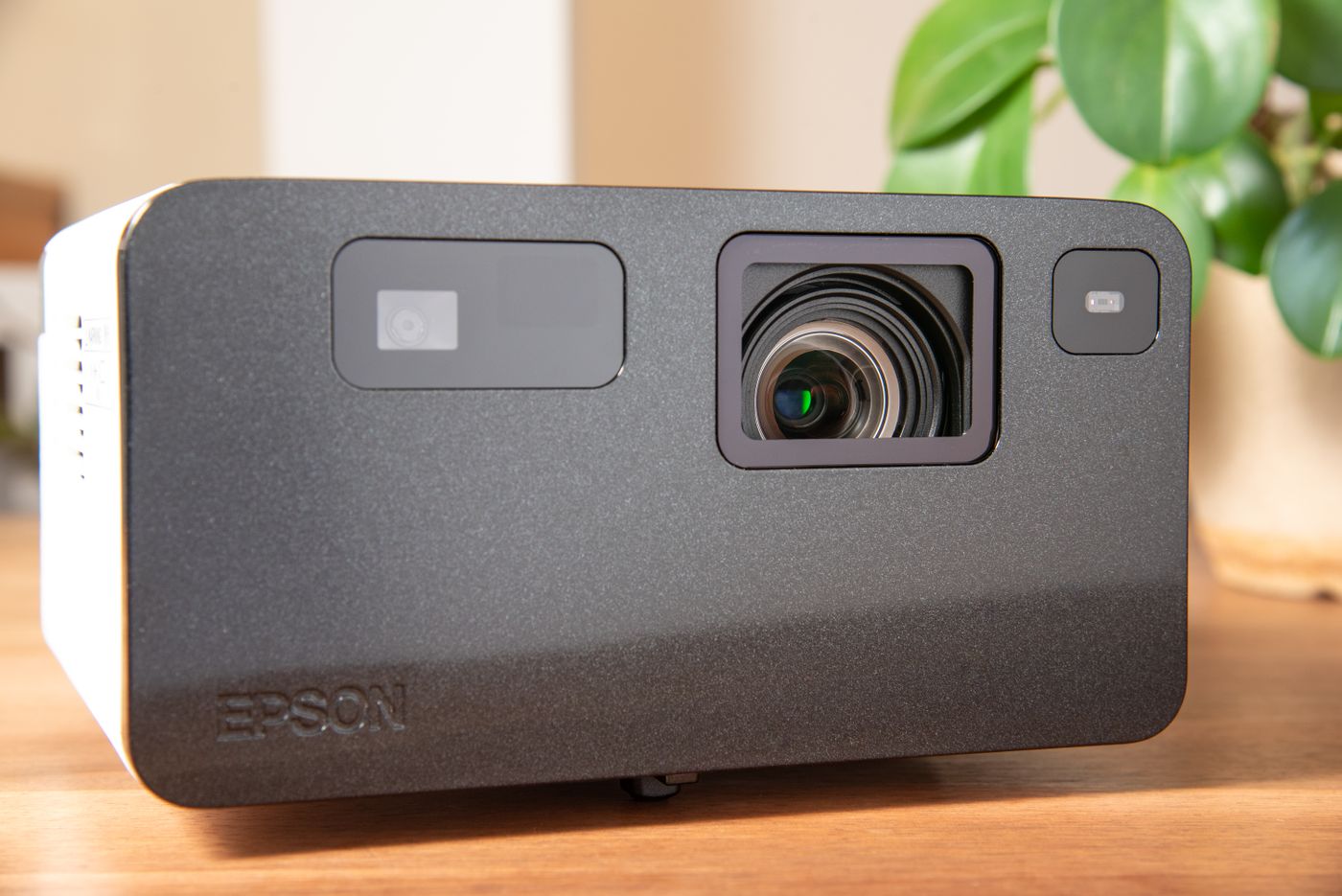
Simplifying living-room remote controls
Fewer remotes help only when power, source selection and volume remain predictable.
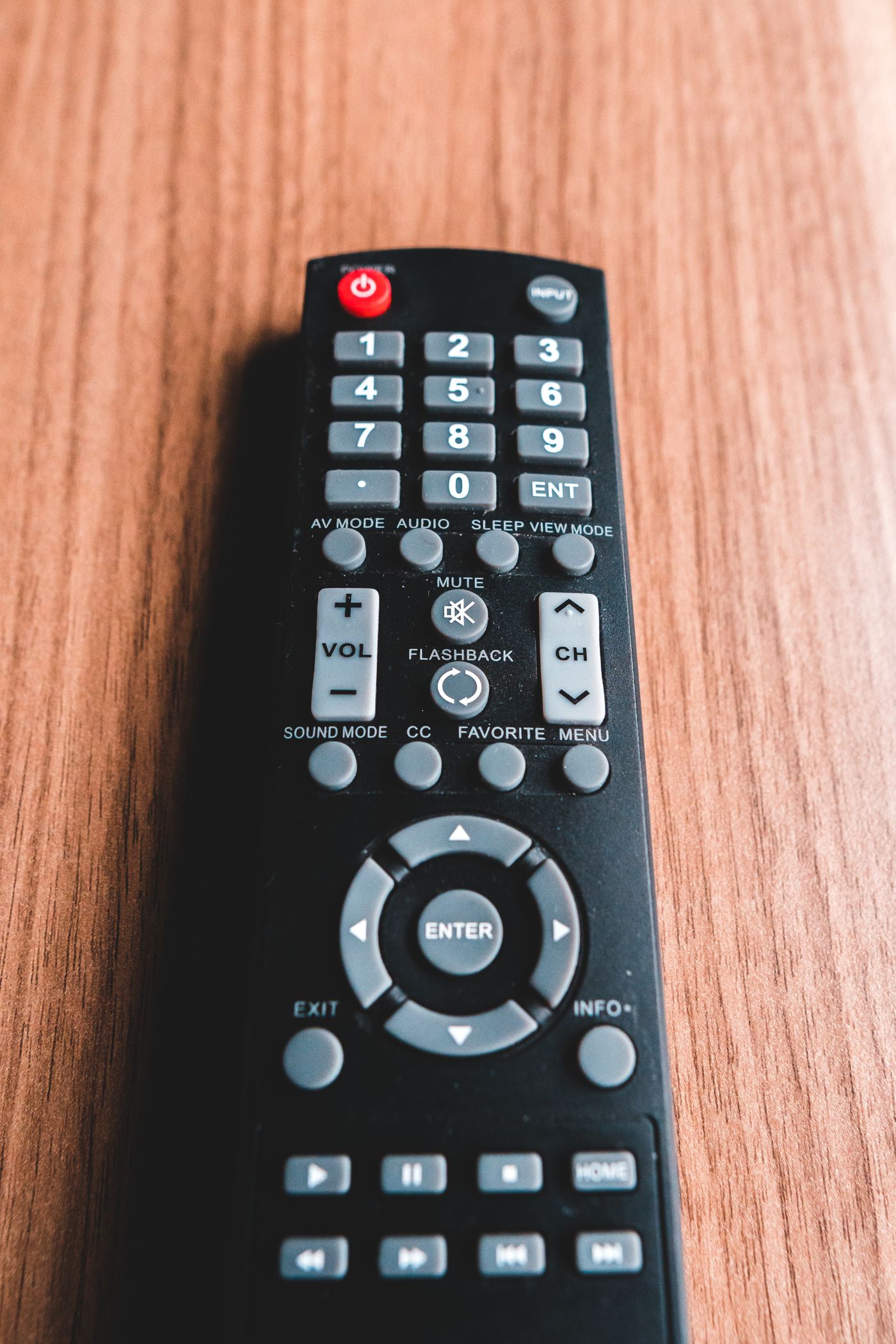
Four remotes do not automatically mean four necessary everyday steps. A television may mainly need power and input selection, while the soundbar mostly responds to volume commands. List the actions you actually use before buying a universal remote or reconfiguring every device.
Separate daily operation from occasional administration. One device may accept everyday commands through another remote while still needing its own for settings. Keep original remotes accessible even if they no longer occupy the coffee table.
Test existing cooperation
On suitable equipment, HDMI-CEC can carry some control commands through the HDMI connection. Manufacturers often use their own names for it. Read the manuals and test each desired function: does the system power on together, select the right source and direct volume commands to the external audio system?
An ARC connection alone does not prove every control feature. Audio transport and device control are related but need separate checks. If a command fails, inspect its setting and product compatibility rather than immediately replacing every HDMI lead.
Several sources can create unwanted input changes. A waking console or streaming device may take over the television. Decide whether that behaviour is wanted. Where possible, disable the particular automatic action rather than all cooperation between products.
Choose a universal control deliberately
Before buying, check exact model support and connection type. Infrared needs an appropriate transmission path; Bluetooth or other radio control has different requirements. A database containing many brands does not guarantee every command for every model. An app may also depend on an account, network or continuing service.
Begin with one activity, such as television through the soundbar. Test from both a fully powered-off state and a partly active one. A command that toggles power can behave differently from separate on and off commands when the starting state is unexpected.
Then change source and return. The arrangement is convenient only if it works beyond the first startup. Keep an understandable way to correct the state manually without resetting the whole system.
Make it understandable for others
Use clear names and a few common actions. A visitor should not need to know the technical soundbar input. A short explanation beside the stored original remotes may help more than elaborate automation.
After replacing equipment, recheck stored commands, inputs and volume assignments. Remove obsolete devices so apparently active buttons do not lead nowhere. Fewer visible remotes should result from clarified control logic, not substitute for it.