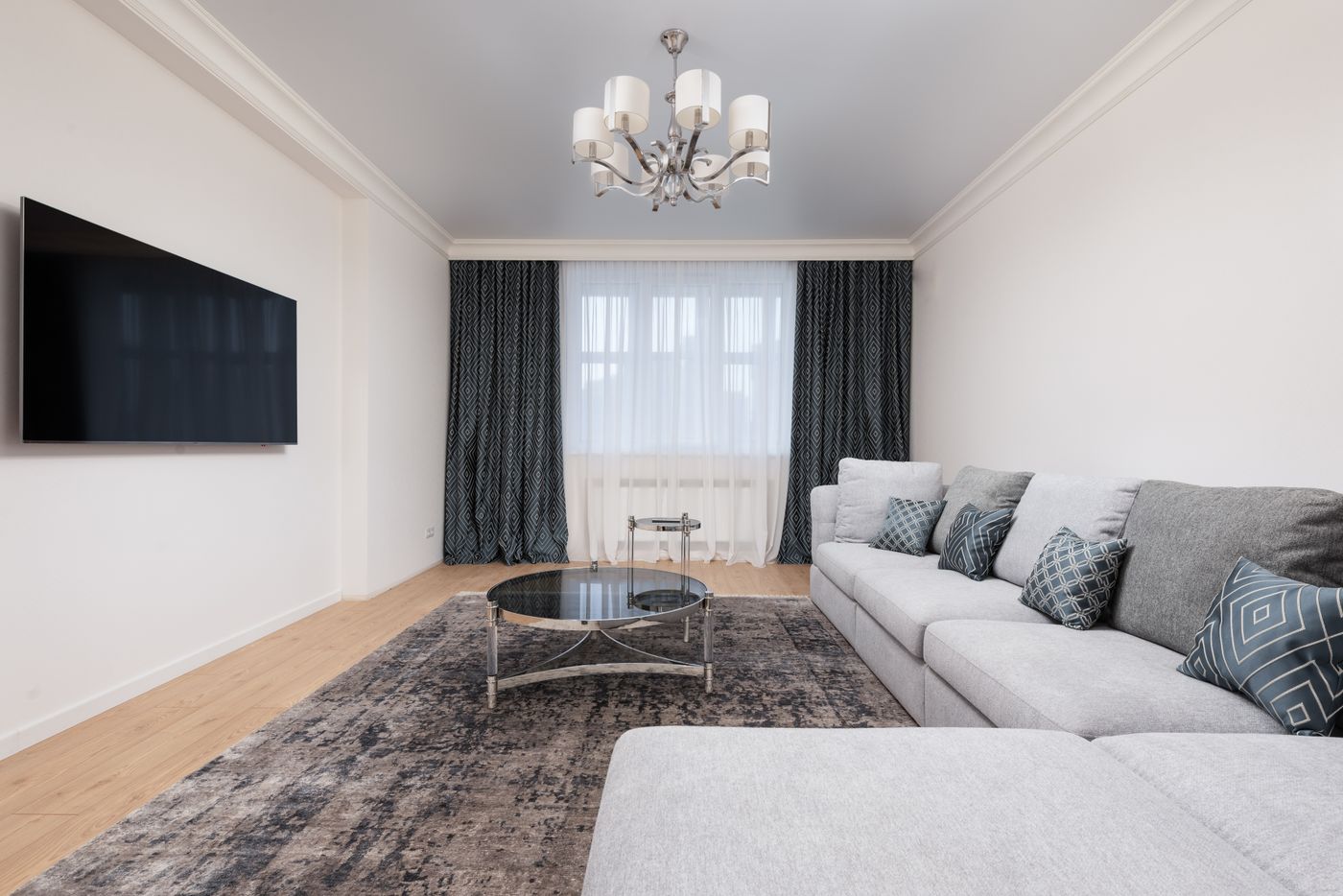
Checking a television wall mount before buying
Screen size and hole spacing are only two requirements. Include the wall, weight, screws and movement clearance.
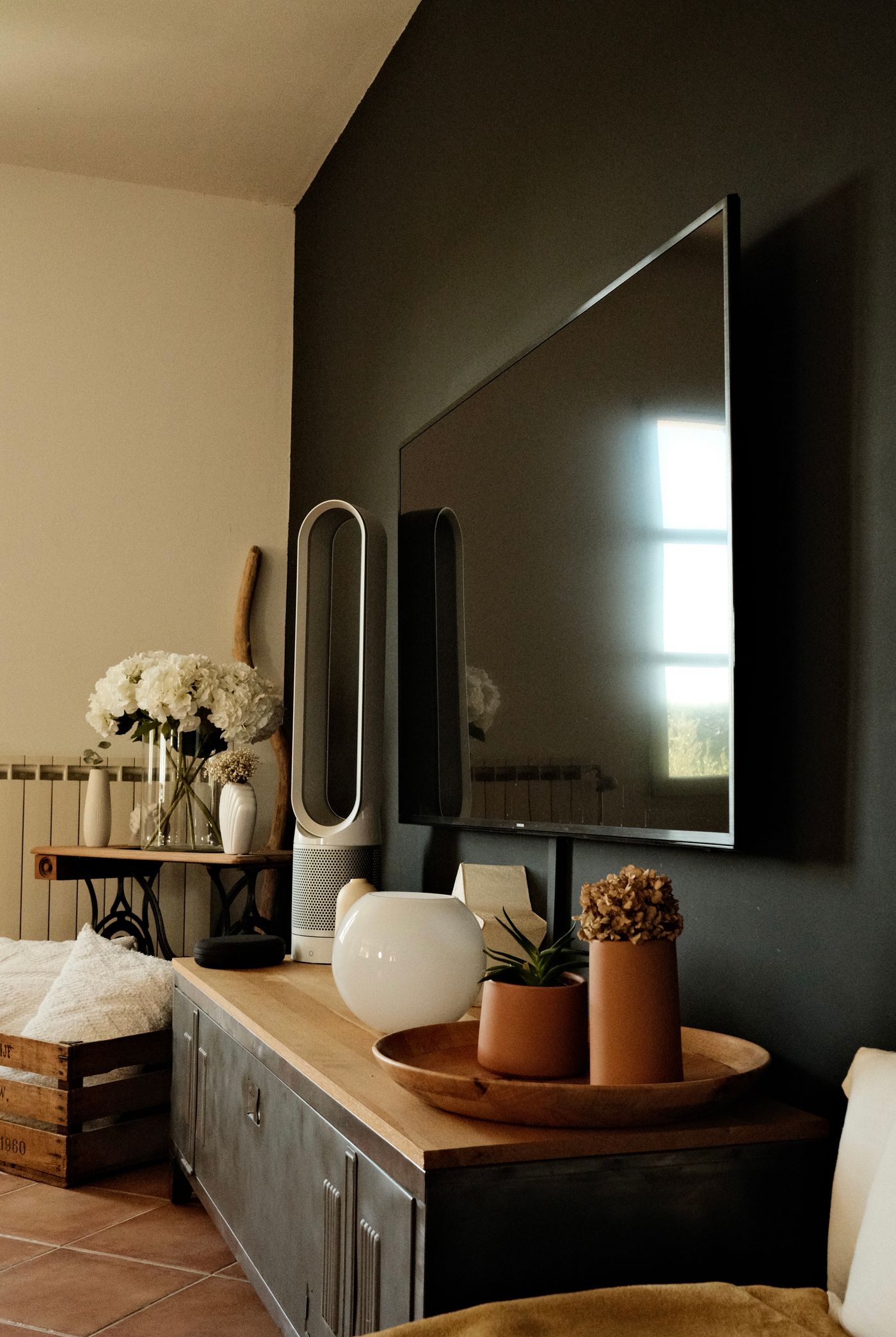
Do not choose a television bracket by advertised screen diagonal alone. Two televisions of the same size may have different weights, fixing patterns and cabinet shapes. Begin with the exact model and its mounting instructions.
Record weight without the stand, the specified fixing pattern and required screw details. VESA spacing describes the arrangement of mounting holes, not automatically the correct screw length or the wall's capacity. A bracket can match the pattern yet remain unsuitable for another reason.
Inspect the whole rear panel
Check whether the back is flat or requires spacers. Recessed fixing points and projecting parts affect the assembly. Use the intended hardware. Excessively long screws can damage the television, while short ones may engage inadequately. Never infer screw length from screen size alone.
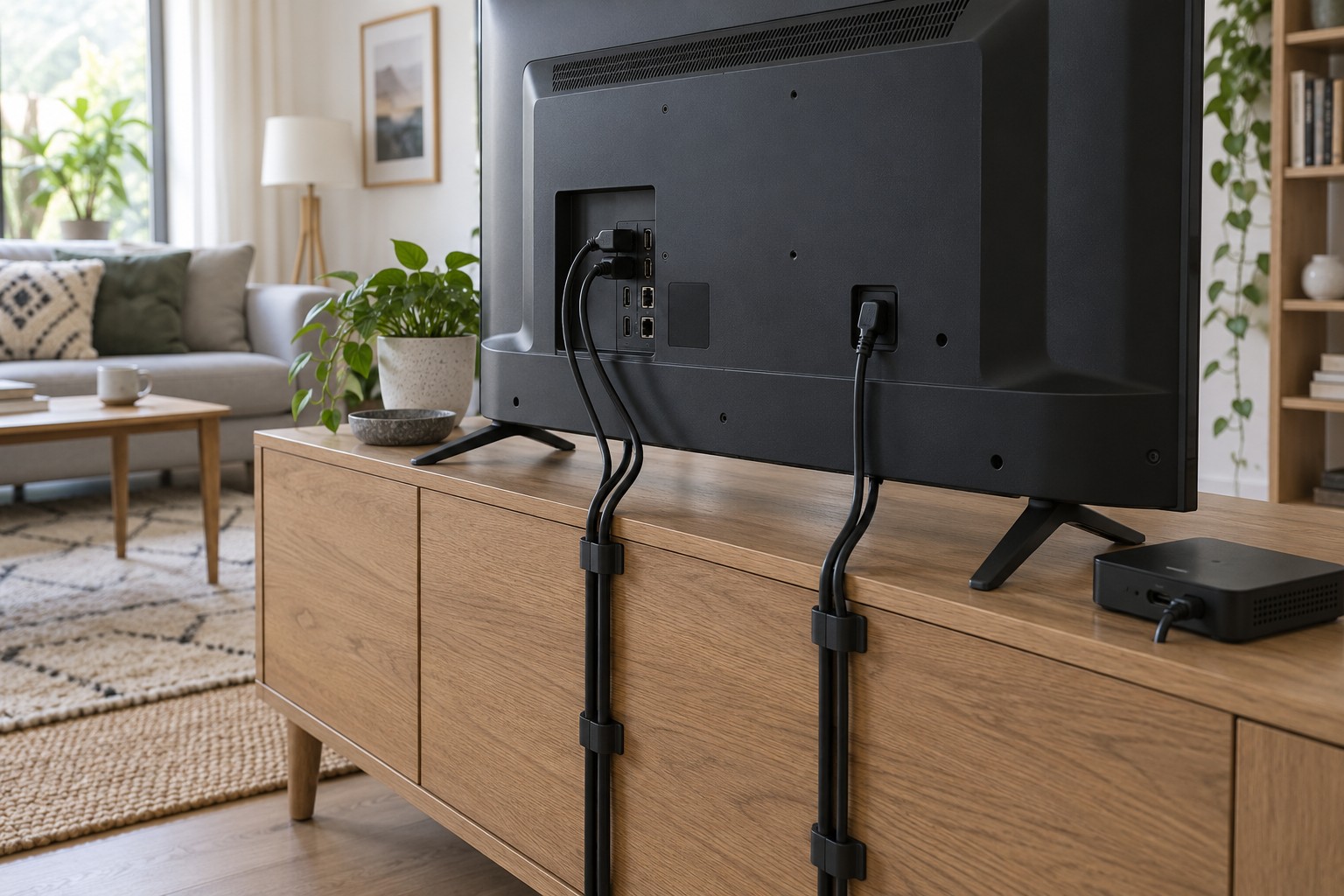
Compare connector locations with the bracket rails. A rail may obstruct a socket despite a matching pattern. Rear-facing plugs also need room between television and wall. An extremely flush installation is useful only if necessary cables fit without crushing.
Preserve ventilation clearances too. A display must not be enclosed so tightly that cooling is compromised. The television and bracket instructions both need to be satisfied.
The wall belongs to the structure
A high-capacity bracket does not make every wall strong enough. Substrate, fixing and load must work together. Masonry, plasterboard systems and other constructions require different assessment. Have uncertain structures and possible service routes checked by an appropriate professional.
Included plugs or screws are not automatically suitable for the actual wall. Sony's mounting guidance recommends professional assistance when choosing wall hardware. A universal drilling-diameter list would be inappropriate without knowing the construction.
An extending arm changes mechanical loading as the screen moves away from the wall. Check approval for the weight and movement type, not just a capacity shown beside a folded illustration. Repeated tightening does not make an unsuitable structure secure.
Represent height and travel first
Mark the proposed screen outline using a surface-safe method and judge it from normal seats. The bracket's fixing centre need not coincide with the image centre. Account for the actual mounting-point location before deciding final height.
For swivelling mounts, check clearance on both sides. The screen must not strike a wall edge, shelf or light. Cables need orderly slack through the entire permitted movement. They must neither restrict travel nor enter the joints.
Plan future removal too. Some brackets release through catches or pull cords that must remain accessible. Furniture installed later can obstruct servicing. Keep the mounting instructions and identify any important spare parts.
Complete installation properly
Arrange enough assistance for lifting according to weight and instructions. A large screen is delicate and awkward even when its mass seems manageable. Hold the intended areas without pressing on the panel.
After professional installation, check locks, permitted position, cable routing and operation. Do not use improvised loading as a safety test. If something moves unexpectedly, cracks or fails to lock, stop and resolve the cause. Appropriate selection is the foundation; correct mounting remains a separate essential step.
A future television replacement needs a fresh assessment. Even when the old hole pattern matches, weight, connector positions and required clearances may differ. Keep the bracket model and load information alongside the television documentation. Have unidentified older fixings assessed before reusing them rather than treating previous service as proof of suitability for a new load.
Consider other equipment on the same wall as well. A soundbar mounted below the screen can obscure sensors or obstruct release catches. Assess the complete arrangement with its respective supports. Do not simply add that weight to the television bracket unless the bracket explicitly permits the accessory and mounting method.
Before furniture goes back into place, identify how power can be disconnected and how a service technician would reach the relevant connections. Convenient access is worth planning while everything is visible.