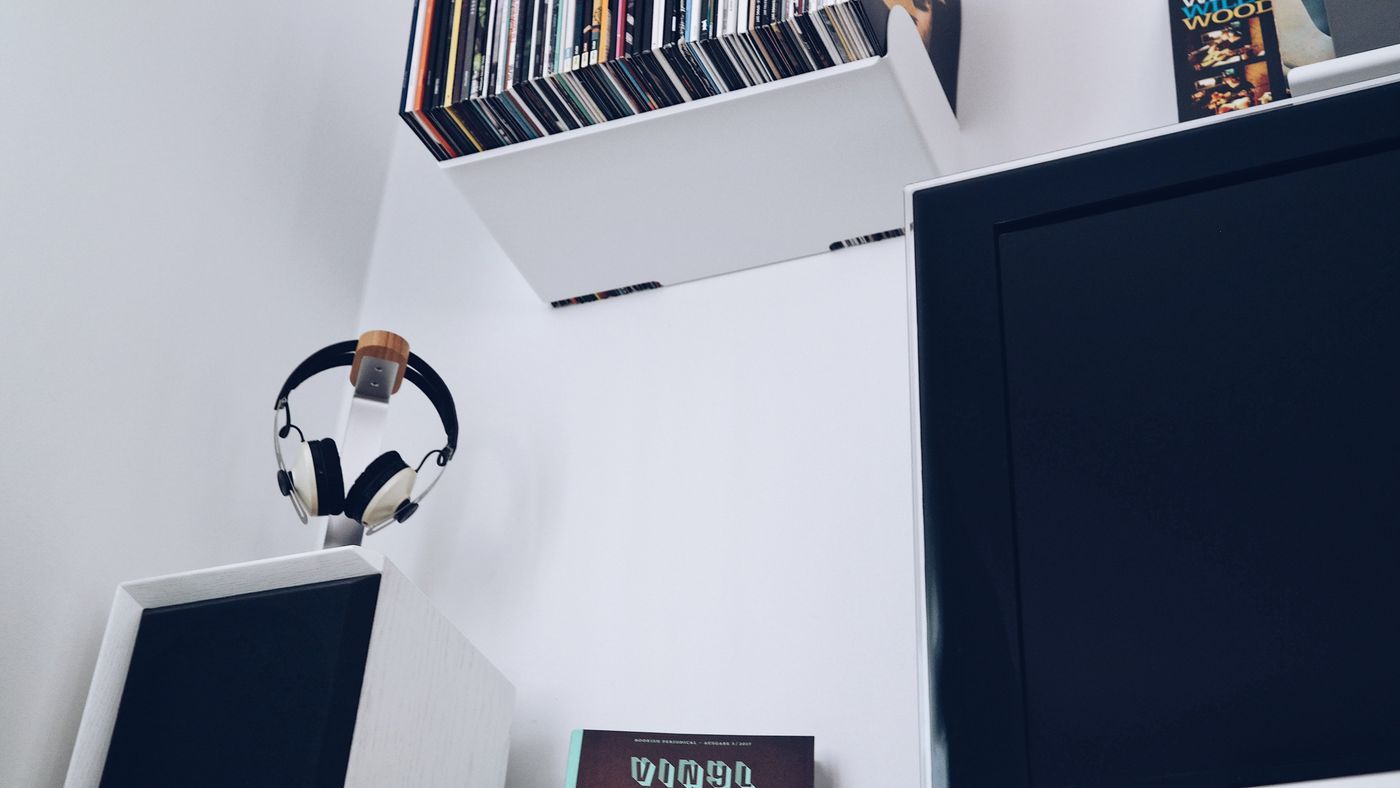
Setting up two speakers as a stereo pair
A stereo pair assigns left and right channels. Two devices playing at once are not automatically equivalent.
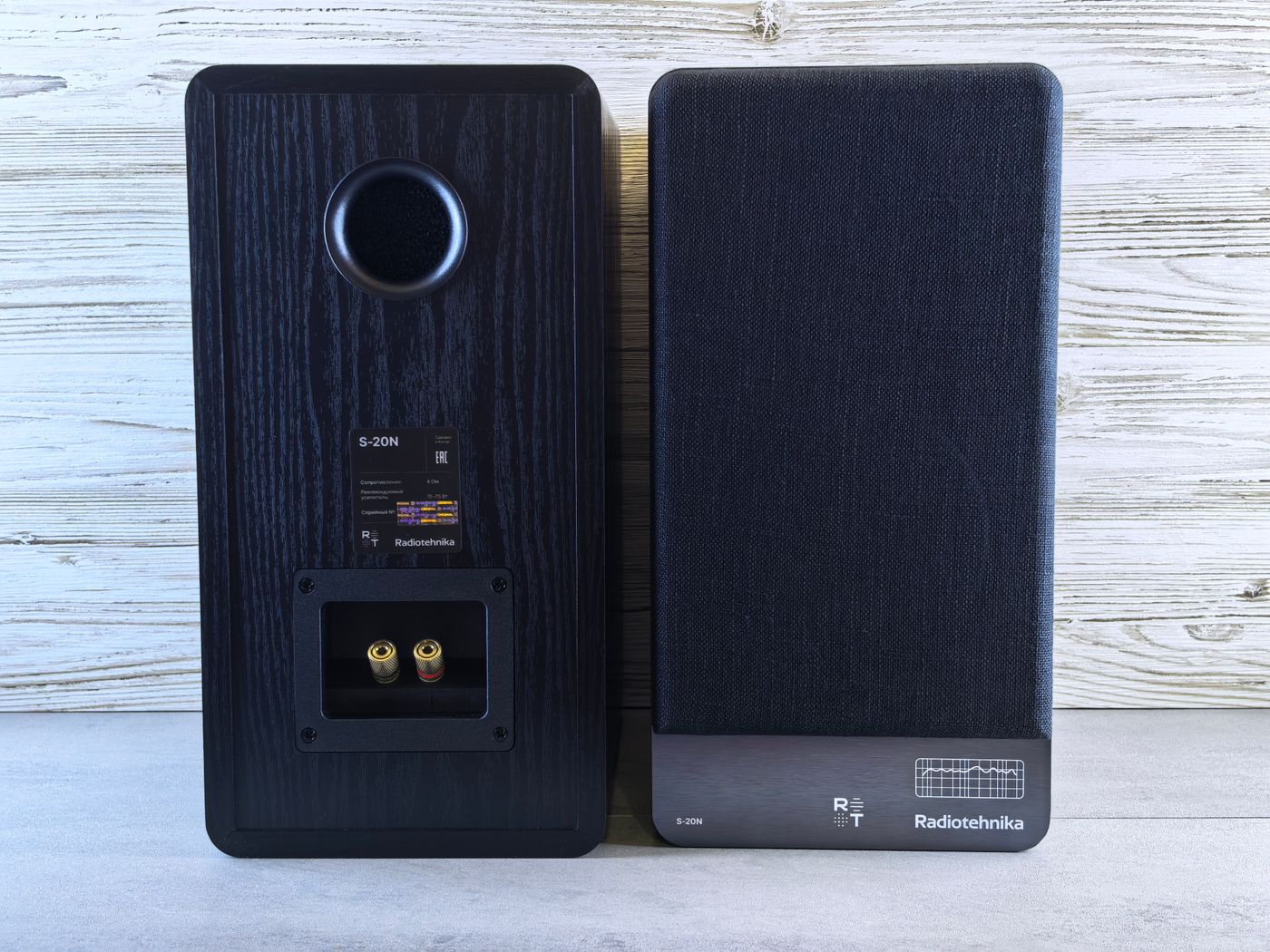
A stereo pair assigns two speakers to the left and right channels of one playback arrangement. This differs from grouping devices to play music across rooms. First establish that the exact models support pairing together.
Manufacturers may require identical models or specifically approved combinations. Sonos, for example, publishes its own supported-pair rules. Similar appearance, shared branding or Bluetooth alone does not prove compatibility. Passive speakers also need an appropriate amplifier and connection arrangement.
Start with understandable geometry
Choose a main listening position and place the speakers to its left and right with broadly comparable surroundings. Begin at similar heights and distances from the seat. One speaker deep in a corner and the other in open space may interact differently with the room.
Exact spacing and direction depend on the model and available space. Manufacturer recommendations are starting points. Angle the cabinets only as appropriate for their design and compare from the seat. Excessive separation can weaken the perceived centre, while two speakers almost touching provide little spatial separation.
Leave required openings clear and use stable support. A shelf must carry the weight. For separate stands, check capacity and fixing requirements, and keep loose cable loops out of walking routes.
Verify left and right
Assign channels clearly during setup. An appropriate channel test or built-in test function helps reveal a reversal. Do not rely only on which device appears first in an app.
Then play familiar music with a clearly centred vocal. Judge whether the voice appears plausibly between the speakers. If it pulls strongly to one side, check levels, distances and room differences first. Not every recording centres the singer, so choose material whose mix you know.
For wireless pairs, test stable joint playback through an ordinary session. One side dropping out is not an equalisation problem. Investigate connection requirements before altering balance.
Run any room-calibration feature at the final positions, then check other regular seats. Stereo depends on listening location; a compromise for several people may be more useful than a narrow adjustment for one point. Preserve the original settings when comparing alternatives.