Reducing window reflections on a television
Reflections depend on the screen, window and seat together. More picture brightness is not always the most effective change.
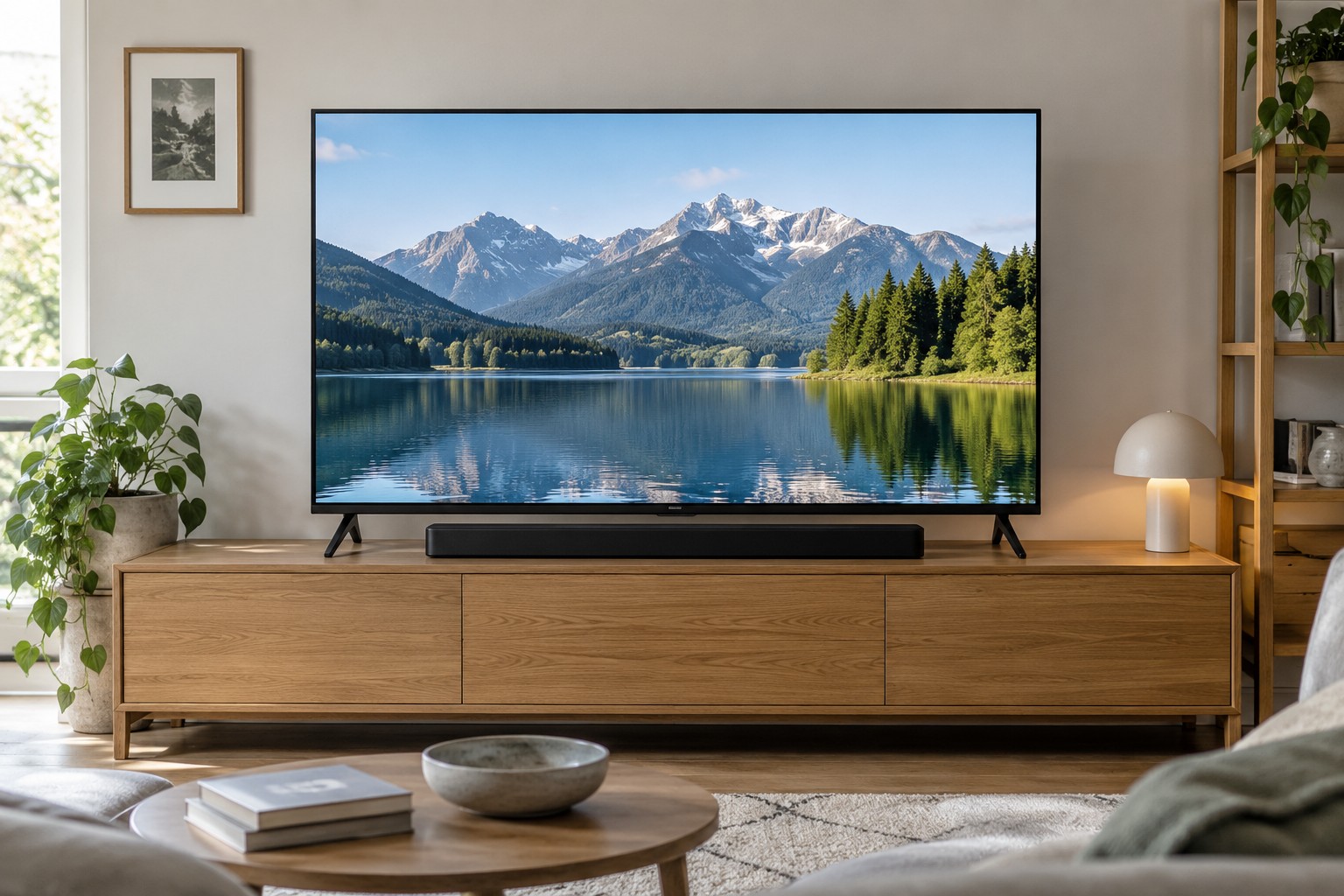
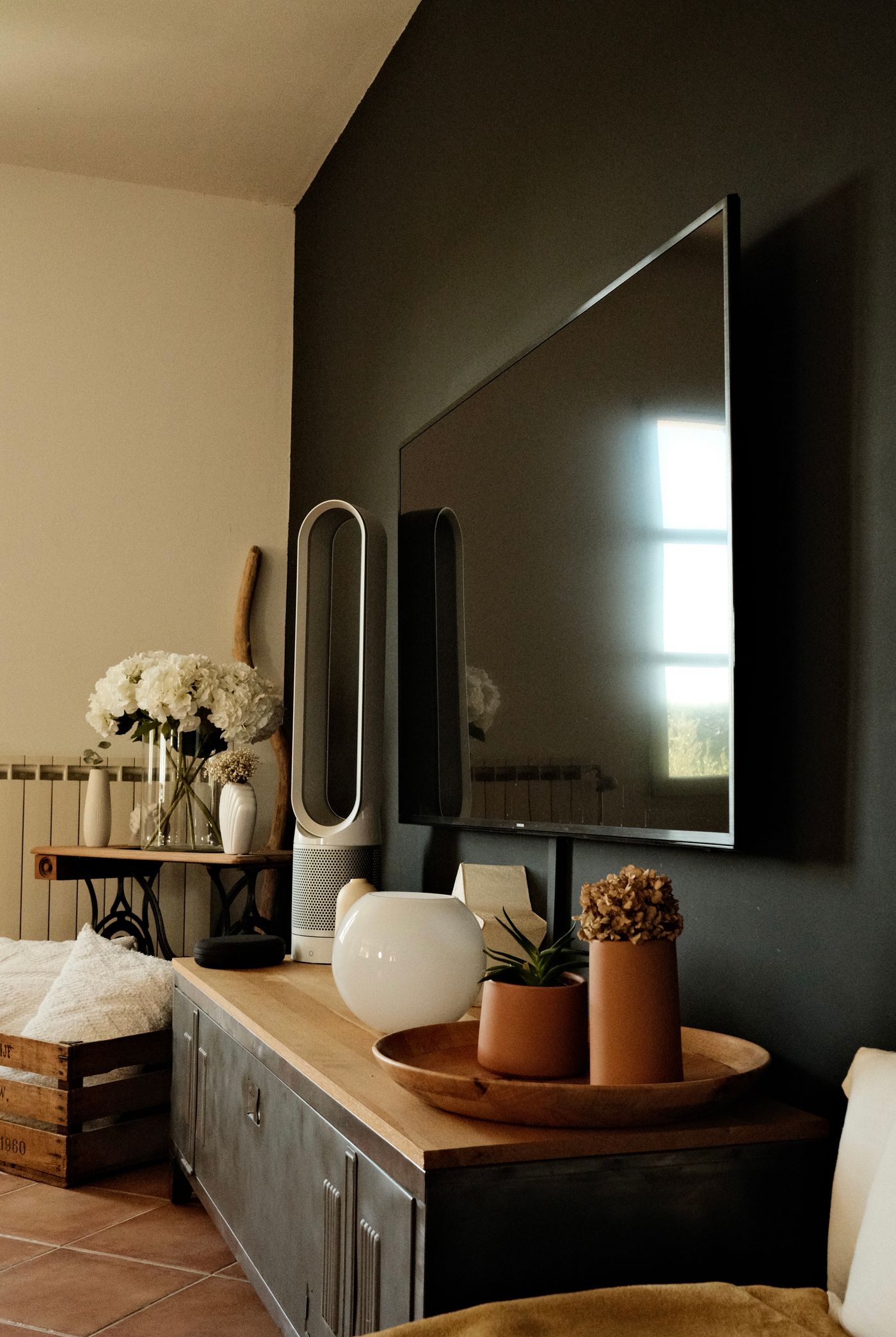
A window may be obvious on a switched-off television but barely noticeable during bright scenes. It then becomes distracting again in a dark film. Do not assess reflections only with a bright home screen or shop demonstration.
Sit in the normal viewing position and examine the display while it is off. This makes the reflected bright surface easier to identify. Include other seats and the times when television is actually watched. Sun position can change the situation substantially during the day.
Change one thing at a time
Begin with existing blinds or shades. Adjust them gradually and see whether the reflected area reduces. Complete blackout is not always necessary. Sometimes an angle that redirects bright light is enough while still allowing daylight into the room.
If the television can safely rotate on an appropriate stand, compare a slightly different angle. Preserve stability and permitted positioning. A change that helps the central sofa may disadvantage a side chair, so check every regularly used seat.
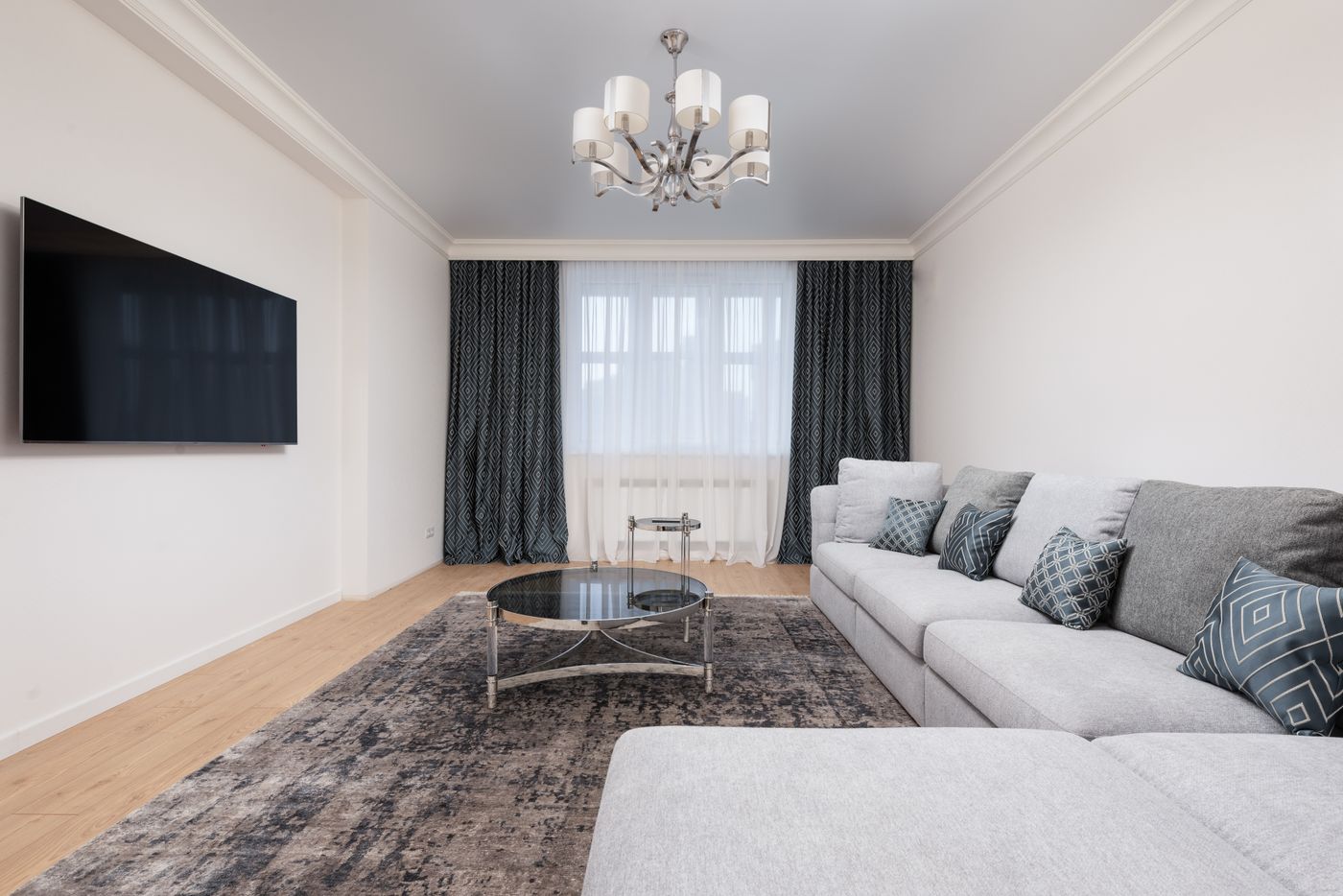
With a wall mount, cable tension must not restrict the intended movement. Do not force an angle from a fixed bracket. If the entire position needs changing, reconsider the wall, fixing and connections professionally.
Adjust picture and room separately
Higher display brightness may make some daytime material easier to see, but it does not remove the reflected window. The same setting can also be uncomfortable after dark. Use suitable picture modes as instructed and judge familiar content. An intense shop-style image is not a necessary permanent setting.
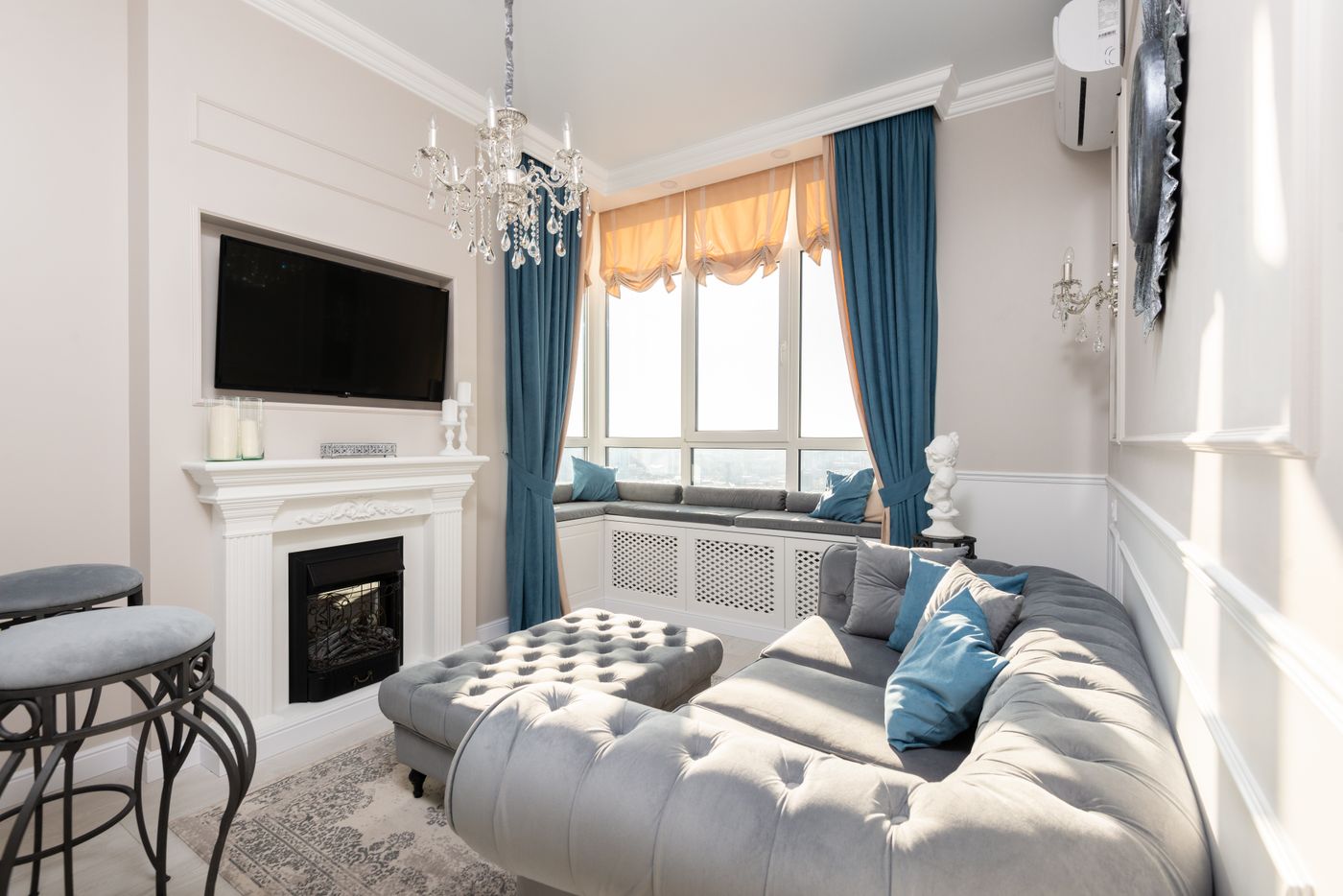
Look for other sources too: a floor lamp behind the sofa, glazed door or bright artwork opposite. If shading the window does not resolve the problem, another surface may be responsible. Where possible, move only the relevant lamp instead of rearranging everything simultaneously.
Do not apply improvised films or coatings to the panel. They can alter its surface and are not automatically suitable. Clean existing marks only as directed; a smeared screen is a different problem from a reflected light source.
The answer may be a small combination of adjustable shading, a relocated lamp and an appropriate daytime picture mode. What matters is visibility of ordinary content from the seats used, without compromising secure placement or the room's other functions.