Choosing vacuum attachments for different surfaces
The narrowest nozzle or highest suction setting is not automatically the gentlest choice for a surface.
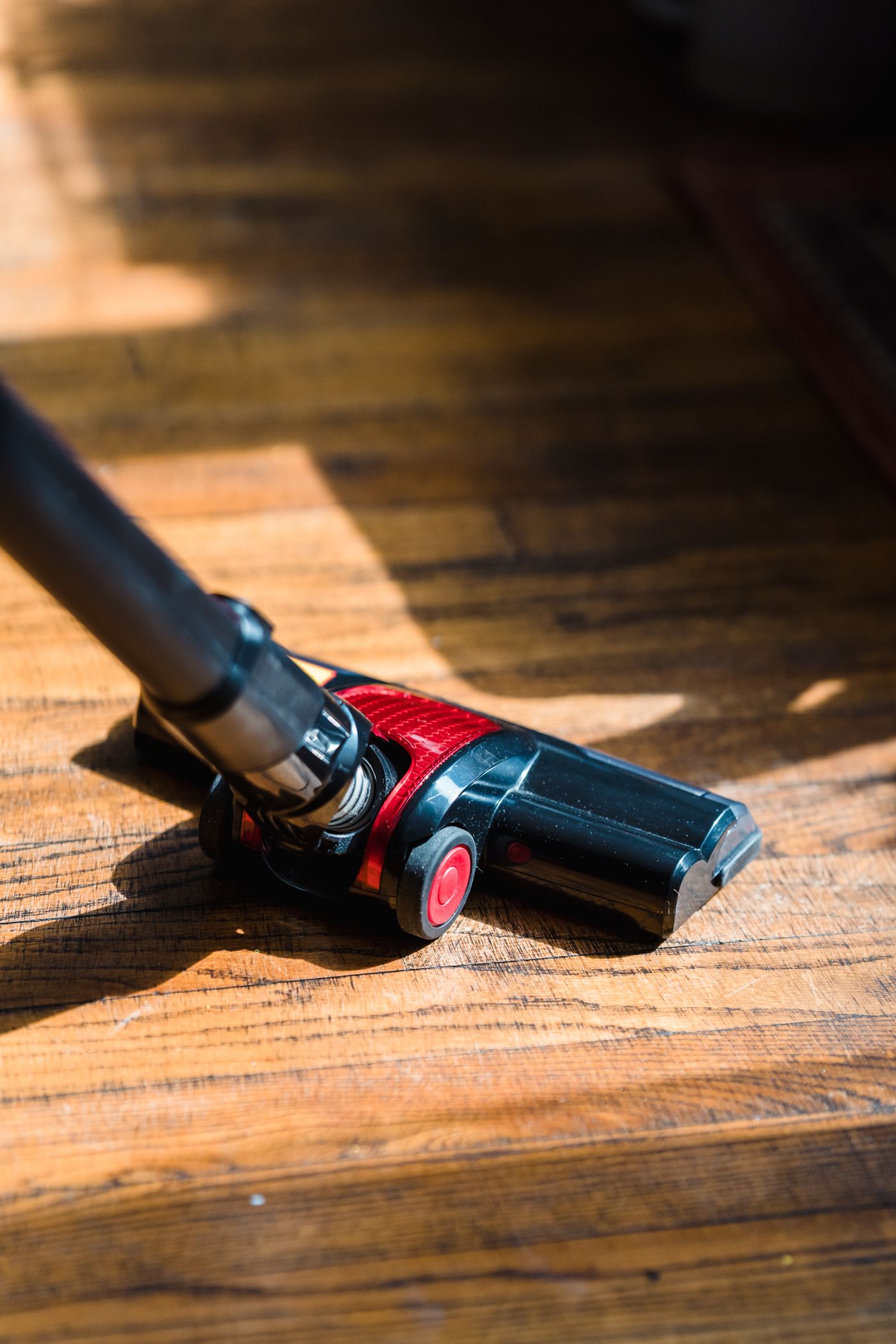
A floorhead, upholstery tool and soft brush perform different jobs. Before changing attachments, check the care instructions for the surface. Delicate fabric or flooring may have restrictions that matter more than the accessory's general description.
Also confirm compatibility with the exact vacuum. Similar-looking connectors can use different catches, while powered heads need an appropriate electrical connection. A loosely fitted adaptor is not a dependable answer for a heavy or moving attachment.
Match the shape to the task
A crevice tool reaches narrow spaces but may grip a soft surface too strongly. A soft brush can suit certain dusty surfaces, provided its own bristles are clean and undamaged. A hard particle trapped in them can otherwise scratch the object being cleaned.
With floorheads, use the intended carpet or hard-floor setting. Not every rotating brush suits every pile or timber finish. Follow the flooring manufacturer's advice for delicate areas. Do not use the vacuum for liquids or other material it is not designed to collect.
For upholstery, consider fabric, seams and loose threads. Where appropriate, begin with the recommended reduced power. Do not force the tool across a patch where it sticks. Remove small loose objects beforehand rather than deliberately drawing them into the airway.
Inspect before changing
Switch off before exchanging a powered head or attachment as instructed. Look for lodged objects in its inlet and hair or damage around its working surface. An obstructed nozzle can resemble a motor or filter problem.
Engage the attachment fully and try it briefly on a suitable area. If it rattles, comes loose or blocks unusually, stop and check the connection. The correct tool should not need improvised fastening.
Store accessories so their working surfaces do not sit among dirty or sharp objects. A small collection of clean, compatible tools is more useful than many unidentified pieces. The important match is between surface, task and approved use.